

Cliffs of MoherNatural landmark★ 4.9
🇮🇪 Ireland
From lively Dublin streets to wild Atlantic cliffs, colourful harbour towns, cosy B&Bs and music-filled pubs, Ireland is made for slow travel, local stories and unforgettable stays.


Ireland’s rail network connects Dublin with major cities including Cork, Galway, Limerick, Waterford and Belfast, making train travel useful for city breaks and comfortable cross-country journeys.
A car gives the most freedom for rural B&Bs, coastal roads, small villages, castles, peninsulas and national parks, especially along the Wild Atlantic Way and in West Cork, Kerry, Clare and Donegal.
Long-distance coaches and regional buses connect towns, airports, villages and popular visitor areas. Bus travel is often practical when rail does not reach smaller places.
Domestic flying is limited, but Ireland’s international airports make it easy to enter through Dublin, Cork, Shannon, Ireland West Airport Knock and Kerry, depending on your route.
Best time to visitMay – September for long days, coastal trips and city breaks; March – April and October for quieter travel
Time zoneGMT (UTC+0), Irish Standard Time in summer (UTC+1)
Plug typeType G, 230V
Emergency112 or 999
Driving sideLeft
CurrencyEuro (EUR)
Country styleAtlantic coast, green landscapes, lively towns, villages, castles, music pubs and family-run stays
Local foodIrish breakfast, seafood, soda bread, stews, farmhouse cheese, black pudding and local bakery treats
Classic routeDublin, Galway, Cliffs of Moher, Killarney, Cork, West Cork and the Wild Atlantic Way
Travel paceEasy weekends in one city, or 7–14 days for coast, countryside and road trips
Within one trip you can move from Dublin’s museums and music pubs to Atlantic cliffs, colourful fishing towns, mountain passes, island ferries, family-run B&Bs and candlelit restaurants by the sea.
 DublinCulture and city breaks
 GalwayMusic and west coast energy
 CorkFood, harbour and local life
 KillarneyLakes and national park
View all destinations →
KillarneyLakes and national park
View all destinations →
 Warm welcomesB&Bs, pubs and local hosts
Ireland is one of Europe’s most rewarding destinations for travellers who like places with character. It is compact enough for a short break, but varied enough for a long road trip. A single journey can combine a Dublin city weekend, a cosy guesthouse in the countryside, seafood in a harbour town, cliff walks, castle ruins, live music, mountain roads and quiet beaches facing the Atlantic.
For TuSpot travellers, Ireland is especially strong for B&B stays, boutique guesthouses, family-run hotels, countryside cottages, coastal restaurants, walking routes, cultural attractions and local makers. It is not a destination where every good experience needs to be large or polished. Some of the most memorable stops are small: a warm breakfast room in West Cork, a pub session in Galway, a village bakery, a windy lighthouse walk, or a conversation with a local owner who knows where the best beach, harbour or viewpoint is.
Dublin is the most common starting point for international visitors, but it deserves more than a quick overnight. The city mixes Georgian streets, literary history, museums, parks, restaurants, pubs and easy access to the coast. Travellers can explore Trinity College, walk along the River Liffey, visit galleries, take a food tour, or use the DART rail line to reach seaside places such as Howth, Malahide, Dún Laoghaire and Bray.
For accommodation, Dublin works best when visitors choose the right area for their trip style. City-centre hotels are useful for first-time visits, events and nightlife. Guesthouses and quieter stays outside the centre can work better for travellers with cars, families or longer itineraries. On TuSpot, Dublin listings should make transport, parking, check-in and neighbourhood atmosphere very clear.
The west of Ireland is where many travellers find the version of Ireland they imagined before arriving: sea cliffs, stone walls, colourful towns, wind, music and dramatic skies. Galway is a natural base for the region, especially for visitors who want a lively city with easy access to Connemara, the Aran Islands, The Burren and County Clare.
The Cliffs of Moher are one of Ireland’s most recognised landscapes, but the surrounding region is just as important. Doolin, Lahinch, Ennistymon, Kinvara and The Burren offer smaller, slower experiences where guests can stay longer, eat locally and explore beyond the main viewpoint. This is where TuSpot can be valuable: helping travellers find places that are not only near the famous stop, but also close to the atmosphere they want.
Cork is one of Ireland’s strongest regions for food, independent hospitality and coastal exploring. Cork city has markets, restaurants, pubs and creative neighbourhoods, while the wider county offers harbour towns, beaches, islands, gardens and famous places such as Cobh, Kinsale, Clonakilty, Baltimore, Bantry and Mizen Head.
West Cork is especially good for B&Bs, small hotels, seafood restaurants, local producers, craft shops and slow coastal road trips. Travellers often come for one night and wish they had booked three. For TuSpot profiles in this region, owners should show breakfast quality, parking, distance to beaches, local walking options, family-friendly details and whether guests need a car.
County Kerry is ideal for travellers who want mountains, lakes and iconic roads. Killarney National Park, the Ring of Kerry, the Dingle Peninsula and the Gap of Dunloe are among the strongest natural travel experiences in Ireland. This is a place where weather changes quickly, but the atmosphere is often better because of it: mist over lakes, sunlight across mountain passes and pubs that feel especially welcoming after a long walk.
Kerry works for couples, photographers, hikers, families and road-trippers. Accommodation ranges from hotels and guesthouses to rural self-catering stays. Listings should make clear whether the place is walkable to town, good for scenic drives, suitable for early starts, and whether breakfast or packed-lunch options are available.
Ireland is not only about the west coast. The east and south-east contain some of the country’s richest historical landscapes, from ancient tombs and monastic sites to medieval towns, gardens and castles. Places such as Brú na Bóinne, Kilkenny, Waterford, Glendalough, Rock of Cashel and Wexford give travellers a strong mix of heritage and comfort.
This region can be perfect for travellers who want less driving, easier access from Dublin, attractive towns and a slower historical route. It is also excellent for off-season trips because many experiences are not dependent on beach weather.
Ireland is a natural match for a platform focused on places, owners and local trust. The best Irish travel experiences are often tied to people: the B&B owner who recommends a hidden beach, the restaurant using local seafood, the pub that has music on a quiet weekday, the guide who knows the story behind a stone circle, or the small hotel that helps guests plan around weather.
For owners, the key is clarity. Travellers need to know the location, parking situation, breakfast details, nearby attractions, whether a car is needed, if pets or children are welcome, what the check-in process looks like, and how the place feels in each season. For guests, TuSpot should make Ireland easier to understand by connecting places with practical context: coast, city, countryside, transport, weather, local food and real owner information.
Ireland is not a destination to rush. It rewards curiosity, flexibility and human connection. A good Ireland page should help travellers choose not only where to go, but what kind of stay they want: coastal, cosy, lively, rural, romantic, family-friendly, food-focused, active or simply peaceful.
Choose a category here, then pick a subcategory or open all places already filtered by this country.
The map is centred on Ireland and cards below show real profiles from this country.
 Sea
Sea Fields
 City / townB&BBest in Year-round
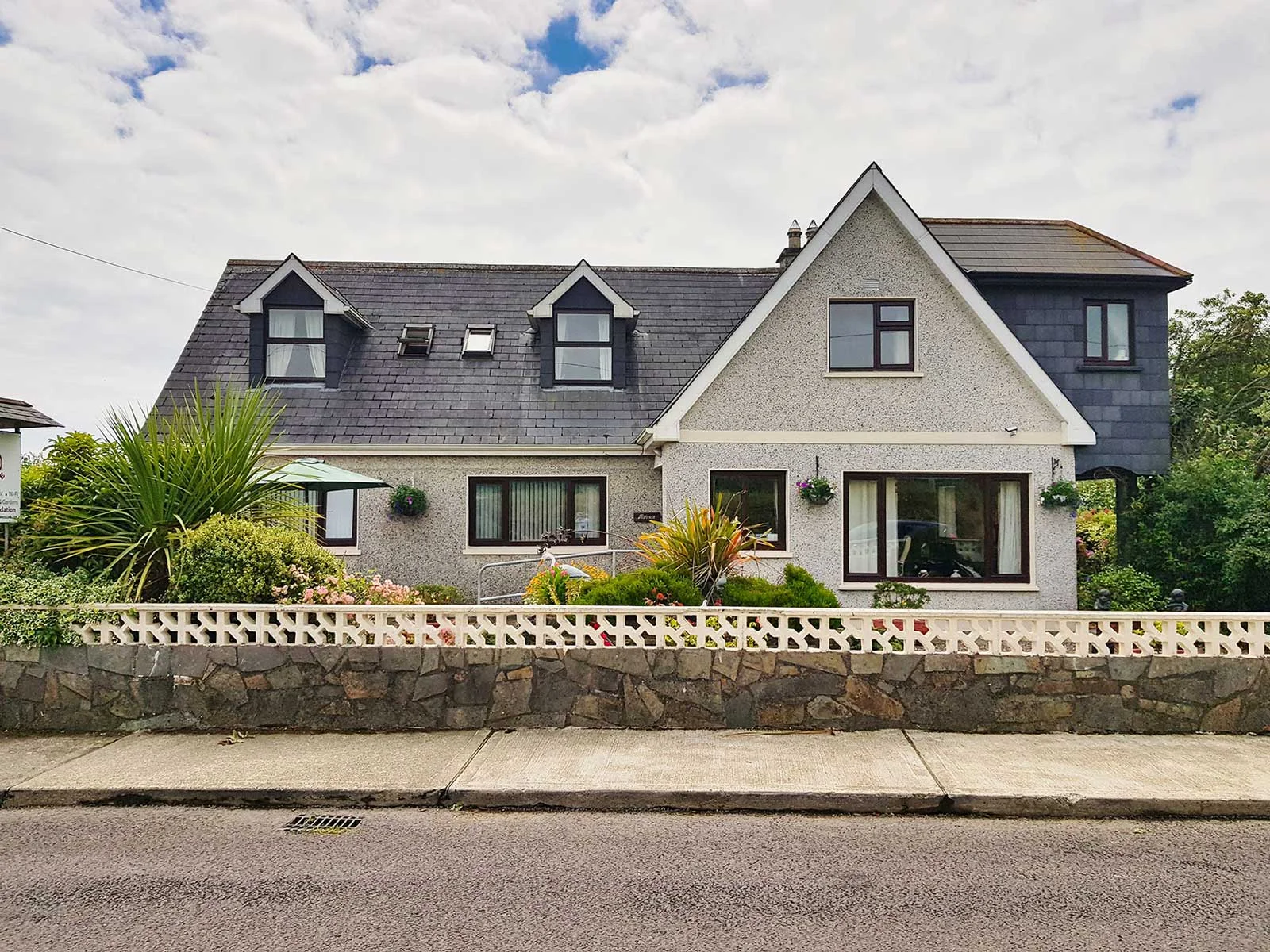
Melrose, The Miles, P85 XY38 Clonakilty, Cork, Ireland
Melrose B&B provides high quality Bed and Breakfast accommodation in Clonakilty. Situated just minutes walk from the charming West Cork town of…
Yes. Ireland is friendly, English-speaking, compact and full of clear travel routes. It works well for first-time travellers, especially if they want cities, countryside, coast and culture in one trip.
Not always. Dublin, Cork, Galway and some popular routes can be done by train and bus. A car is very useful for rural B&Bs, small villages, coastal roads, peninsulas, national parks and places with limited public transport.
May to September is best for longer days and outdoor travel. Spring and autumn are excellent for fewer crowds and softer prices. Winter is best for cosy pubs, city breaks and atmospheric countryside stays.
Dublin and peak summer areas can be expensive. Smaller towns, rural stays and shoulder-season travel can offer better value. Booking early helps for popular places such as Dublin, Galway, Kerry, West Cork and Clare.
Bring layers, waterproof outerwear, comfortable walking shoes and a Type G adapter. Even in summer, weather can change quickly, especially near the Atlantic coast.
Yes. Ireland has family-friendly B&Bs, beaches, farms, castles, gardens, walking routes, museums and scenic drives. Families should check parking, room setup, breakfast times and driving distances before booking.
Yes. Ireland is strong for breakfasts, seafood, farmhouse produce, bakeries, pubs, local markets and modern restaurants. Cork, Galway, Dublin, Kerry and coastal towns are especially rewarding for food-focused travellers.
Yes, many travellers combine both, especially Dublin with Belfast or the Causeway Coast. Entry and travel rules can differ, so travellers should check passport, visa and route requirements before travelling.
TuSpot uses essential cookies and basic preferences to keep the platform clear, secure and easy to use. You can accept and continue, or read the privacy information first.
Send a short message to the TuSpot team. We will use your email only to reply to this request.