TuSpot

Blog

  • Best City Breaks in Europe for a Perfect Weekend

    Best City Breaks in Europe for a Perfect Weekend

    Europe is made for short escapes. A Friday evening flight, a scenic train ride, a small hotel in the old town, a slow breakfast in a local café, and suddenly two days feel like a real holiday. The best city breaks in Europe are not only about famous landmarks. They are about atmosphere, walkable streets, food markets, local neighbourhoods, river views, museums, architecture, small restaurants and those unexpected moments that make a weekend memorable.

    A perfect European city break should be easy to plan, simple to enjoy and rich enough to leave you wanting more. You do not need two weeks, a complicated itinerary or a long list of attractions. Sometimes the best weekend trips in Europe are built around three things: a beautiful place to stay, a few meaningful experiences and enough free time to simply wander.

    In this guide, we explore some of the best city breaks in Europe for a perfect weekend — from classic capitals to charming smaller cities, from cultural escapes to food-focused getaways. Whether you are planning a romantic weekend, a family trip, a solo adventure or a spontaneous short break with friends, these European destinations are ideal for discovering more in less time.

    Looking for accommodation, restaurants and local attractions? Explore more travel inspiration on TuSpot EU, browse places to stay in Europe, discover restaurants and local food spots or plan your next route with our European travel map.

    What Makes a Great European City Break?

    The best city breaks in Europe usually have a few things in common. They are easy to reach, comfortable to explore on foot or by public transport, full of cultural highlights and rich in local character. A good weekend destination does not overwhelm you. Instead, it gives you enough choice to build your own rhythm.

    For some travellers, the perfect weekend in Europe means museums, galleries and historic streets. For others, it means riverside walks, local wine, independent shops, rooftop views or a quiet hotel close to the centre. The beauty of Europe is that every city has a different personality.

    A successful weekend city break should offer:

    Easy access: direct flights, good rail connections or a central airport.
    Walkability: compact old towns, clear public transport and scenic streets.
    Local food: markets, cafés, restaurants, bakeries and regional dishes.
    Culture: museums, architecture, music, history and local traditions.
    Atmosphere: the feeling that you are somewhere unique, not just another stop on a list.

    With that in mind, here are some of the best European city breaks for a perfect weekend.

    Prague, Czechia — Fairytale Streets and Classic Weekend Charm

    Prague remains one of the most beautiful city breaks in Europe. It is romantic, historic, easy to walk around and full of dramatic views. For a weekend trip, the city offers a perfect balance between iconic landmarks and hidden corners.

    Start in the Old Town Square, cross Charles Bridge early in the morning and climb towards Prague Castle for one of the most memorable city panoramas in Europe. But Prague is not only about famous sights. The real pleasure is found in the quiet lanes of Malá Strana, traditional beer halls, riverside walks and small cafés where time seems to slow down.
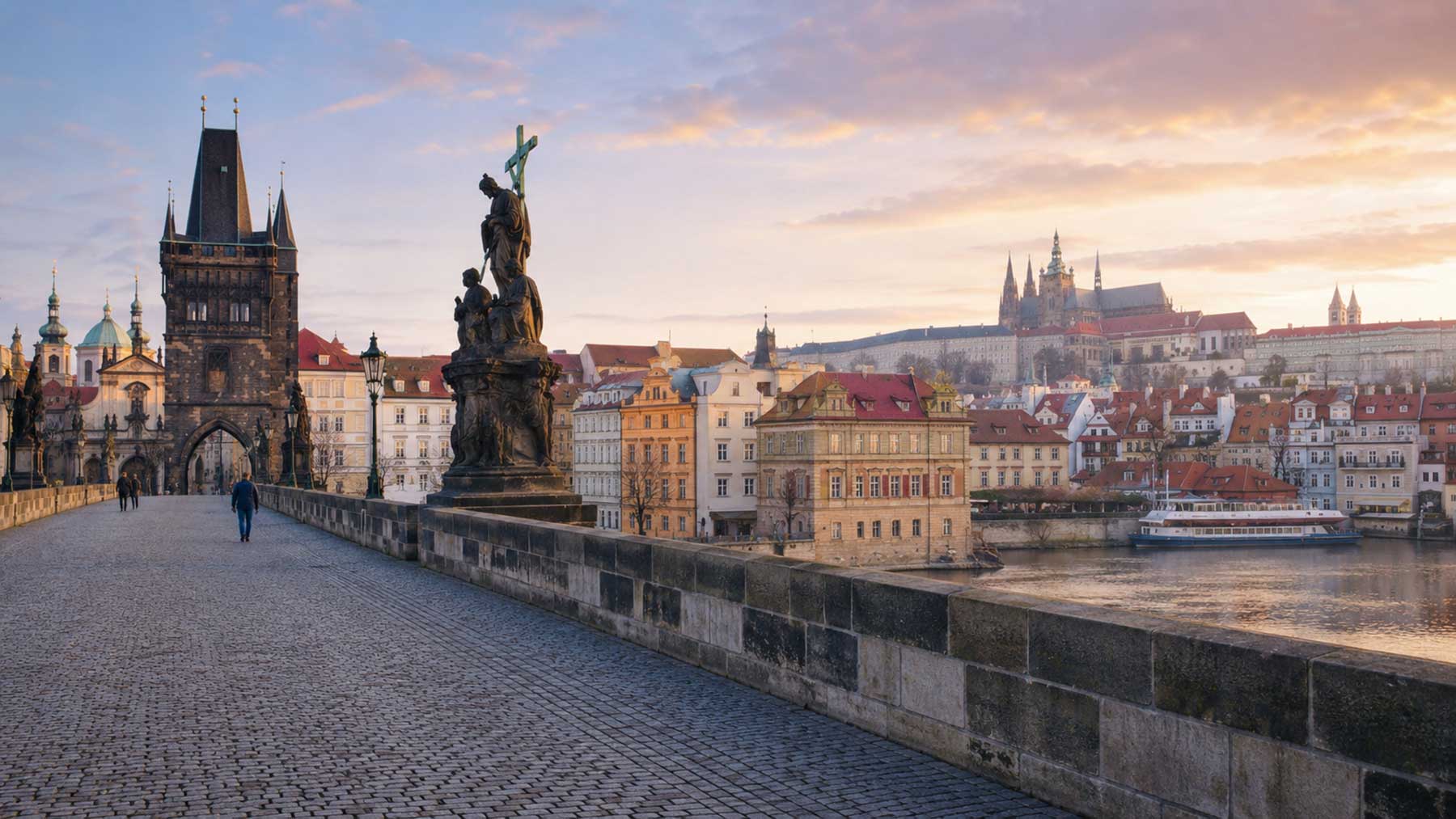
    praga

    Why Prague Is Perfect for a Weekend

    Prague is ideal for first-time visitors to Europe because it feels instantly magical. Its medieval streets, Gothic towers and Baroque churches create a strong sense of place. At the same time, it is practical for a short break: many highlights are close together, public transport is efficient and the city works well in every season.

    For a romantic city break in Europe, Prague is especially strong in autumn and winter, when the old town becomes atmospheric, cosy and beautifully lit. For families and culture lovers, it offers castles, museums, river cruises and relaxed neighbourhood walks.

    Best for: romance, history, architecture, photography, winter weekends.
    TuSpot tip: Choose accommodation near Malá Strana or the Old Town if you want to walk everywhere during a short stay.

    Lisbon, Portugal — Hills, Tiles and Atlantic Light

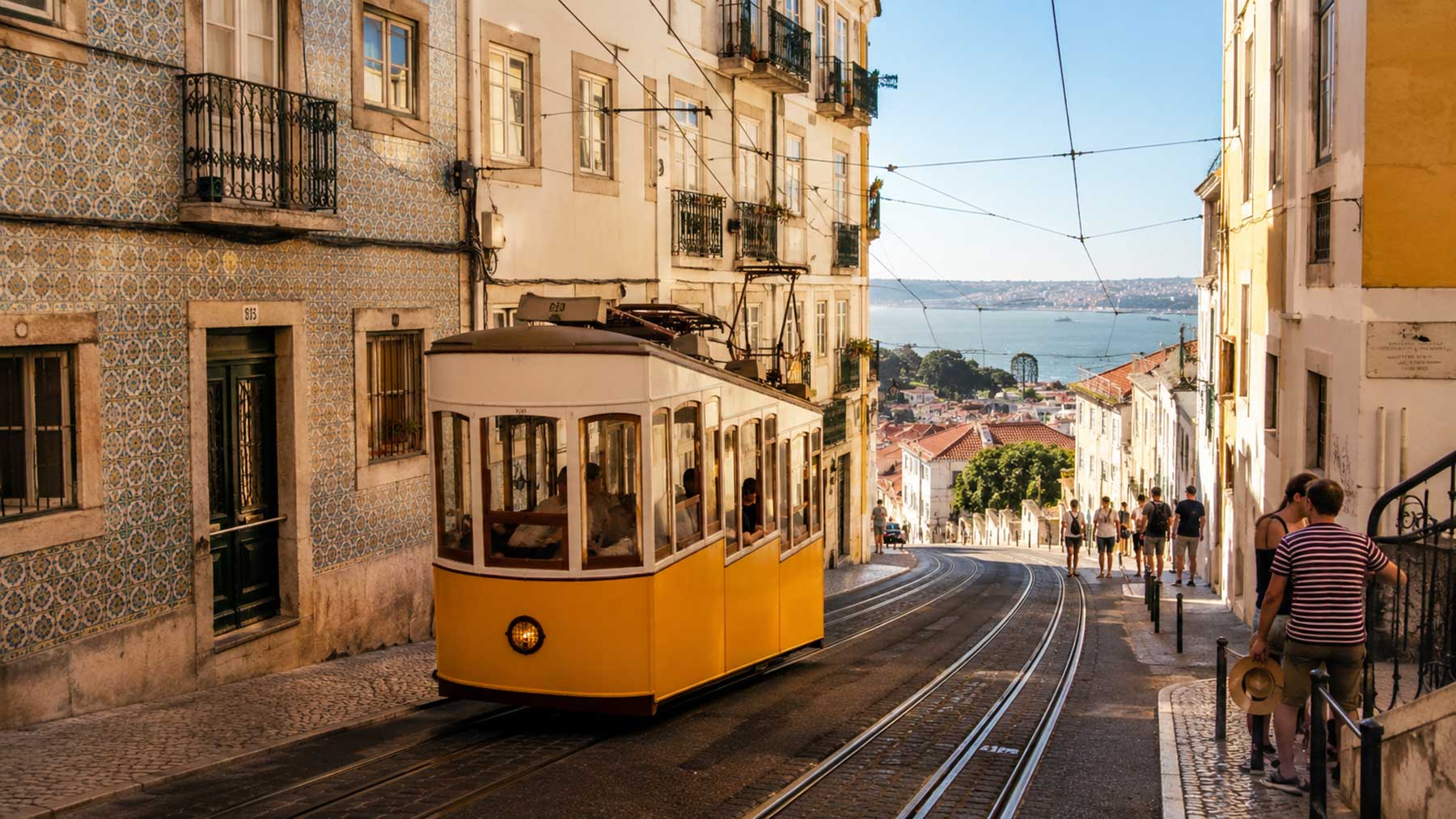
    Lisbon is one of the best city breaks in Europe for travellers who want sunshine, food, history and a relaxed pace. It is a city of viewpoints, yellow trams, tiled façades, seafood restaurants and steep streets that reward you with unforgettable views.

    A weekend in Lisbon can be simple and beautiful: coffee and pastel de nata in the morning, a walk through Alfama, lunch near the river, sunset from a miradouro and dinner with local wine. The city has energy, but it rarely feels too formal. It invites you to slow down.

    What to Do in Lisbon During a Short Break

    Explore Alfama for narrow lanes and traditional atmosphere. Visit Belém for monuments, museums and pastries. Take in the views from Miradouro da Senhora do Monte or Miradouro de Santa Catarina. Spend an evening in Bairro Alto or Cais do Sodré for restaurants and nightlife.

    Lisbon is also a great base for a longer weekend. If you have three days, you can add a short trip to Sintra or Cascais. But even without leaving the city, Lisbon gives you enough colour, flavour and culture for a perfect European weekend.

    Best for: sunshine, food, views, couples, relaxed city breaks.
    TuSpot tip: Wear comfortable shoes. Lisbon is beautiful, but the hills are part of the experience.

    Kraków, Poland — History, Food and One of Europe’s Best Old Towns

    Kraków is one of the strongest choices for a weekend city break in Central Europe. It combines a stunning historic centre, excellent food, walkable streets, atmospheric cafés and powerful cultural heritage. For travellers looking for the best places to visit in Europe for a weekend, Kraków offers exceptional value and depth.

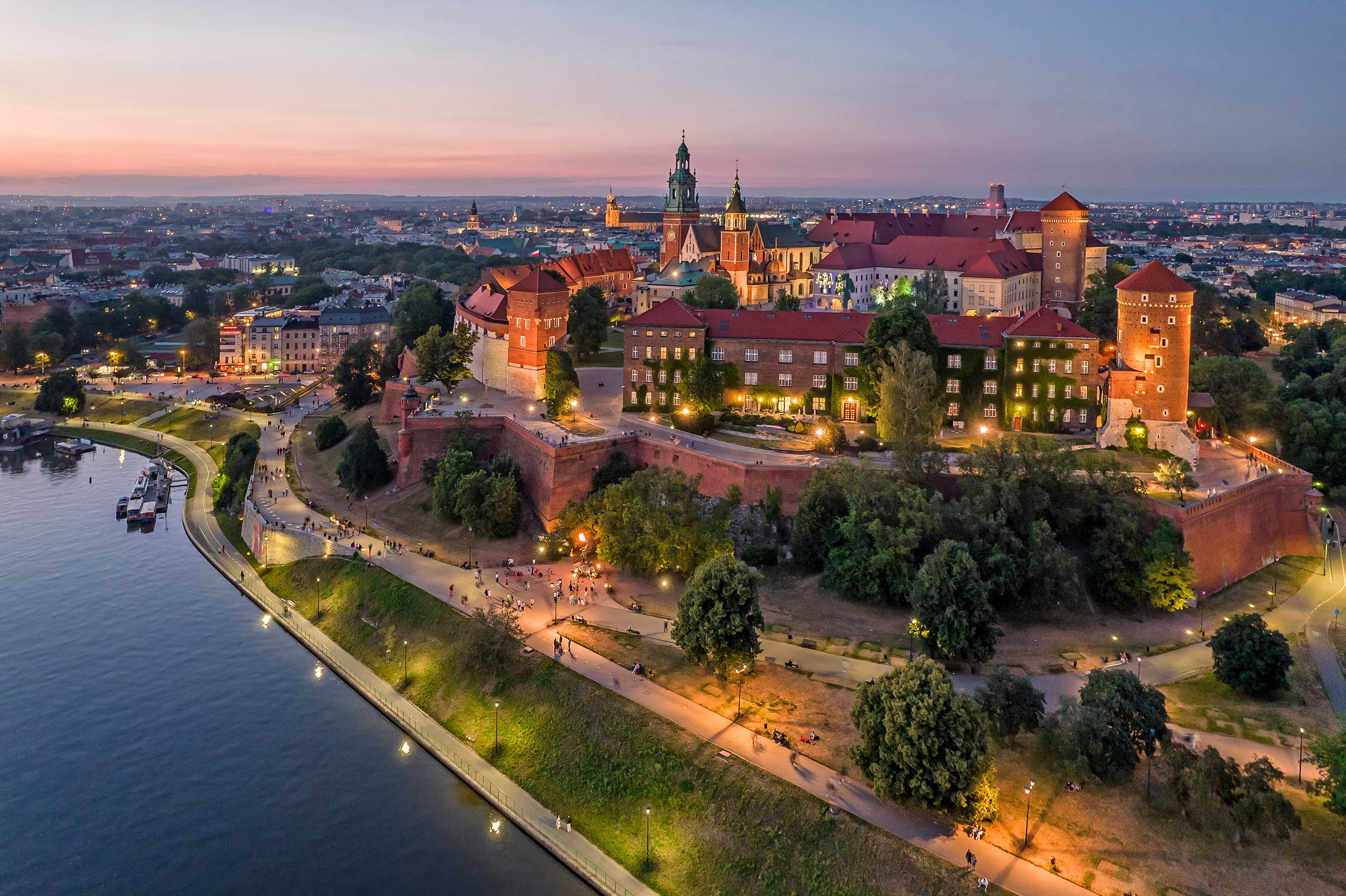
    The Main Market Square is one of the most impressive in Europe, surrounded by colourful townhouses, churches, restaurants and historic arcades. Wawel Castle adds royal atmosphere, while Kazimierz offers galleries, bars, street food and a different rhythm.

    Krakow-zdjecia

    Why Kraków Works So Well for a Weekend

    Kraków is compact enough for a two-day trip but rich enough for a longer stay. You can explore the Old Town, visit Wawel Hill, walk along the Vistula River and spend an evening in Kazimierz without feeling rushed. The city also has a strong food scene, from traditional Polish restaurants to modern cafés and creative dining.

    For history lovers, Kraków is a meaningful destination. For couples, it is atmospheric and romantic. For budget-conscious travellers, it remains one of the best city breaks in Europe where quality and price still feel balanced.

    Best for: old towns, history, food, culture, affordable weekends.
    TuSpot tip: Combine Kraków with local restaurants, boutique stays and nearby attractions for a richer short break.

    Discover more inspiration in our European city guides and local travel experiences.

    Valencia, Spain — Mediterranean Weekend Without the Rush

    Valencia is a brilliant alternative to Spain’s busiest city break destinations. It offers beaches, food, architecture, parks and a historic centre, but with a more relaxed rhythm than Barcelona or Madrid. For a perfect weekend in Europe, Valencia gives you sunshine and culture without forcing you to choose between city and coast.

    Start in the Old Town, visit the Central Market, explore the Cathedral area and walk through the Turia Gardens — a long green park created in a former riverbed. Then head towards the City of Arts and Sciences for modern architecture, or spend time near the beach for a slower Mediterranean afternoon.

    The Best Part of a Valencia City Break

    Valencia is one of the best weekend trips in Europe for food lovers. This is the home of paella, but the city’s culinary scene goes far beyond one dish. Markets, tapas bars, seafood restaurants and casual neighbourhood cafés make the city easy to enjoy without complicated planning.

    It is also a great destination for families because the city has open spaces, cycling routes, beaches and attractions that work well with children.

    Best for: food, beach and city mix, families, cycling, sunshine.
    TuSpot tip: Stay between the Old Town and Turia Gardens if you want easy access to both culture and green space.

    Copenhagen, Denmark — Design, Food and Effortless Style

    Copenhagen is one of Europe’s most stylish city breaks. Clean design, cycling culture, waterfront living and excellent food make it feel modern, calm and creative. It is not always the cheapest weekend destination in Europe, but it offers a high-quality short break with a strong sense of identity.

    A perfect Copenhagen weekend might include Nyhavn, a harbour walk, design shops, bakeries, coffee, modern Nordic food and a visit to Tivoli Gardens. The city is easy to explore by bike or public transport, and many areas feel relaxed even in the centre.

    Why Copenhagen Is Worth a Short Break

    Copenhagen is ideal for travellers who enjoy design, architecture, sustainability and good food. It is also a strong choice for couples who want a clean, safe and elegant weekend destination. The city has a natural rhythm: slow mornings, active afternoons and cosy evenings.

    Neighbourhoods such as Vesterbro, Nørrebro and Christianshavn offer different moods, from creative restaurants to canals and independent shops. Copenhagen is not a city to rush. It is best enjoyed with time for wandering.

    Best for: design, food, couples, cycling, modern city breaks.
    TuSpot tip: Book restaurants early if food is a key part of your trip.

    Porto, Portugal — Wine, River Views and Old-World Beauty

    Porto is one of the most atmospheric city breaks in Europe. Built on hills above the Douro River, it offers colourful buildings, tiled churches, iron bridges, wine cellars and a sense of faded grandeur. It is smaller than Lisbon but just as memorable in its own way.

    For a weekend, Porto is beautifully manageable. Walk through Ribeira, cross the Dom Luís I Bridge, visit Vila Nova de Gaia for port wine cellars, and enjoy views from the riverbanks. The city feels historic, local and emotional — the kind of place that stays with you.

    Porto for Food and Wine Lovers

    Porto is perfect for travellers who want their weekend city break to include local flavours. Try traditional dishes, fresh seafood, bakeries and of course port wine. The city’s restaurants range from simple family-run places to modern dining rooms.

    Because Porto is compact, you can see a lot without feeling overwhelmed. The streets are steep, but that is part of the charm. Every climb seems to lead to another viewpoint.

    Best for: wine, views, romantic weekends, photography, local atmosphere.
    TuSpot tip: Choose a stay near Ribeira or Bolhão if you want to be close to the city’s character.

    Ljubljana, Slovenia — A Small Capital with a Big Weekend Personality

    Ljubljana is one of the best hidden city breaks in Europe for travellers who prefer smaller capitals. It is green, walkable, friendly and beautifully relaxed. The old town sits along the Ljubljanica River, with bridges, cafés, markets and a castle watching from above.

    A weekend in Ljubljana feels easy. You can explore the centre without rushing, enjoy outdoor cafés, visit the castle, browse local markets and still have time for a short nature escape. The city is also a great base for travellers who want to combine urban culture with nearby landscapes.

    Why Ljubljana Is a Perfect Short Break

    Ljubljana works especially well for slow travel. It is not about checking off a long list of famous sights. It is about atmosphere, local food, riverside walks and a sense of calm. For couples, solo travellers and families, it offers a safe and pleasant introduction to Slovenia.

    If you have an extra day, Lake Bled or other natural attractions can be added to the trip. But even as a pure weekend city break, Ljubljana has enough charm to stand on its own.

    Best for: slow travel, couples, green city breaks, hidden gems.
    TuSpot tip: Look for accommodation within walking distance of the river and old town.

    Vienna, Austria — Grand Culture for a Refined Weekend

    Vienna is one of the best European city breaks for culture lovers. It offers imperial architecture, classical music, museums, coffee houses, elegant streets and a sense of timeless sophistication. A weekend in Vienna can feel polished and inspiring without being difficult to plan.

    Start with the historic centre, St. Stephen’s Cathedral, the Ringstrasse and one or two major museums. Add a traditional coffee house, a walk through palace gardens and an evening concert or relaxed dinner. Vienna is grand, but it is also very liveable.

    How to Enjoy Vienna in Two Days

    Do not try to see everything. Choose a theme. If you love art, focus on museums. If you love history, explore palaces and the old town. If you simply want a beautiful weekend, combine coffee houses, architecture and slow walks.

    Vienna is especially good in spring, autumn and winter. In colder months, its cafés and cultural venues make it one of the most atmospheric short breaks in Europe.

    Best for: culture, museums, classical music, elegant weekends.
    TuSpot tip: Stay near the Innere Stadt or close to good public transport to save time.

    Edinburgh, Scotland — Dramatic Views and Storybook Streets

    Edinburgh is one of Europe’s most distinctive weekend destinations. With its castle, volcanic hills, old stone streets, literary history and dramatic skyline, it feels different from almost anywhere else. It is compact, walkable and full of character.

    A classic weekend includes the Royal Mile, Edinburgh Castle, Princes Street Gardens, Calton Hill and a walk up Arthur’s Seat if the weather allows. But the city also shines through small details: bookshops, pubs, hidden closes, independent cafés and neighbourhoods like Stockbridge.

    Why Edinburgh Is Great for a Weekend

    Edinburgh gives a strong sense of place in a short amount of time. Even a two-day visit can feel rich and memorable. It is ideal for travellers who love history, atmosphere, photography and cosy evenings.

    The city is also a strong destination for festivals, culture and seasonal travel. Summer is lively, winter is atmospheric, and autumn gives the city a particularly beautiful mood.

    Best for: history, views, literature, cosy weekends, photography.
    TuSpot tip: Bring layers. Edinburgh’s weather can change quickly, even during a short stay.

    Bologna, Italy — Food, Porticoes and Authentic Italian Energy

    Bologna is one of the best city breaks in Europe for travellers who want Italy without the most obvious crowds. It is historic, delicious, youthful and full of character. Famous for its porticoes, university life and food culture, Bologna feels authentic and generous.

    A weekend here should be built around walking, eating and exploring. Visit Piazza Maggiore, climb a tower if you want a view, wander under the porticoes and allow plenty of time for pasta, markets and local wine.

    Bologna for a Food-Focused City Break

    If your idea of a perfect European weekend includes long lunches, traditional dishes and a city that values food deeply, Bologna is a wonderful choice. It is also well connected by train, making it easy to combine with other Italian cities if you are planning a longer trip.

    Bologna is less postcard-perfect than Florence or Venice, but that is part of its appeal. It feels lived-in, warm and real.

    Best for: food, Italy lovers, authentic atmosphere, relaxed weekends.
    TuSpot tip: Do not overplan. Bologna is best enjoyed slowly, with room for spontaneous meals.

    How to Choose the Best City Break in Europe for You

    With so many weekend destinations in Europe, the best choice depends on your travel style. A romantic couple may prefer Prague, Porto or Lisbon. Food lovers may choose Bologna, Valencia or Kraków. Design fans may feel at home in Copenhagen. Culture lovers may choose Vienna or Edinburgh. Travellers looking for a quieter hidden gem may fall in love with Ljubljana.

    Before booking, ask yourself:

    Do you want sunshine or cosy atmosphere?
    Do you prefer famous landmarks or local neighbourhoods?
    Is food the main reason for your trip?
    Do you want nightlife, museums, beaches or slow walks?
    Will you travel by plane, train or car?
    Do you want a budget weekend or a more premium experience?

    The best city breaks in Europe are not the same for everyone. The perfect weekend is the one that matches your mood, time and budget.

    Tips for Planning a Perfect Weekend City Break in Europe

    A short break works best when it is planned with simplicity. Do not fill every hour. Choose a central place to stay, book one or two important experiences in advance and leave space for wandering.

    Stay Close to the Centre

    For a weekend trip, location matters more than almost anything else. A cheaper hotel far from the centre may cost you time and energy. A central apartment, guesthouse or boutique hotel can make the whole trip smoother.

    Browse accommodation in Europe and choose places close to old towns, transport links or the neighbourhood you most want to explore.

    Pick One Main Experience Per Day

    Instead of trying to see everything, choose one main experience each day. It might be a museum, a food tour, a castle, a market, a viewpoint or a river walk. Around that, build a relaxed itinerary with cafés, local restaurants and time to enjoy the atmosphere.

    Eat Local

    Food is one of the easiest ways to understand a city. Look for regional dishes, family-run restaurants, markets and bakeries. Avoid eating only near the most famous landmarks if you want better value and more local character.

    Explore bars and restaurants in Europe to discover local food spots during your trip.

    Use Public Transport or Walk

    Many European cities are perfect for walking. Others are easy to explore by tram, metro, bus or bike. For a weekend break, avoid wasting time with complicated transfers. Choose simple routes and stay flexible.

    Travel Light

    A weekend city break does not need heavy luggage. A small bag makes airport transfers, train journeys and hotel check-ins much easier. It also gives you more freedom if you arrive early or leave late.

    Best Time of Year for European City Breaks

    Europe offers great city breaks all year round, but each season has a different mood.

    Spring is ideal for walking, outdoor cafés, flowers and mild weather. Cities like Lisbon, Valencia, Vienna and Ljubljana feel fresh and colourful.

    Summer is lively and full of events, but some destinations can be crowded or hot. Choose cities with parks, rivers, beaches or good evening atmosphere.

    Autumn may be the best season for a European weekend break. The weather is often comfortable, the light is beautiful and cultural life returns after summer.

    Winter is perfect for cosy city breaks, Christmas markets, museums, cafés and romantic old towns. Prague, Vienna, Kraków and Edinburgh are especially atmospheric in colder months.

    Final Thoughts: Europe Is Perfect for Weekend Travel

    The best city breaks in Europe are not only about ticking off famous places. They are about discovering how much character, culture and beauty can fit into just two or three days. A perfect weekend can be grand or simple, romantic or adventurous, luxurious or budget-friendly.

    Prague gives you fairytale streets. Lisbon gives you light and hills. Kraków gives you history and atmosphere. Valencia gives you sunshine and food. Copenhagen gives you design and calm. Porto gives you river views and wine. Ljubljana gives you relaxed charm. Vienna gives you culture. Edinburgh gives you drama. Bologna gives you flavour.

    Whether you are planning your first European city break or looking for new weekend travel ideas, Europe offers endless possibilities. Choose the city that matches your mood, book a good place to stay, leave space for local discoveries and let the weekend unfold.

    Start planning your next short break with TuSpot EU, discover European attractions, find local restaurants and explore unique places to stay in Europe. Your perfect weekend city break may be closer than you think.
  • Most Beautiful Small Towns in Europe

    Most Beautiful Small Towns in Europe

    Europe is famous for its great capitals, but some of its most memorable journeys begin far from the busiest boulevards. The most beautiful small towns in Europe offer a different kind of travel: slower, warmer, more personal and often more connected to local life.

    Instead of rushing between major landmarks, you can walk cobbled streets, sit in a harbour café, explore old market squares, taste regional food and watch the landscape shape the rhythm of the town. From Ireland and Poland to Hungary, Iceland, Greece, Bulgaria, Croatia and beyond, these small towns prove that beauty in Europe is not limited to famous postcards.

    This guide is designed for travellers looking for Europe travel inspiration, unique places to stay in Europe and authentic European destinations beyond the obvious city-break route.

    Why Visit the Most Beautiful Small Towns in Europe?

    The best small towns in Europe are not only pretty. They have atmosphere. They give you a reason to stay overnight, wake up early, talk to local people, try local dishes and explore nearby landscapes.

    Some are coastal and colourful. Others are medieval, mountain-based, artistic or shaped by wine culture. Many of them work perfectly as weekend escapes, road trip stops or slower alternatives to crowded capitals.

    If you enjoy quieter travel, you may also like our guides to hidden gems in Europe, best weekend getaways across Europe and best places to visit in Europe this year.

    Best Coastal Small Towns in Europe

    Coastal small towns have a special kind of energy. They combine colour, light, food and sea air in a way that makes even a short stay feel refreshing. These towns are ideal for romantic breaks, photography trips and relaxed holidays by the water.

    Most-Beautiful-Small-Towns-in-Europe1

    Kinsale, Ireland — Colourful Streets by the Sea

    Kinsale is one of the most beautiful small towns in Europe for travellers who love harbour views, colourful streets and excellent food. Located in County Cork, it is often associated with the beginning of Ireland’s Wild Atlantic Way and has a strong maritime character.

    The town feels polished but still local. You can walk between painted shopfronts, visit nearby coastal landmarks, enjoy seafood, explore the harbour and spend time in small cafés. Kinsale is especially attractive for photographers because every corner seems to offer a new combination of colour, texture and Atlantic light.

    For planning details, the official Discover Ireland guide to Kinsale is a useful source for local attractions and travel ideas.

    Best for: food, harbour walks, colourful streets, romantic weekends.

    Rovinj, Croatia — Istrian Beauty by the Adriatic

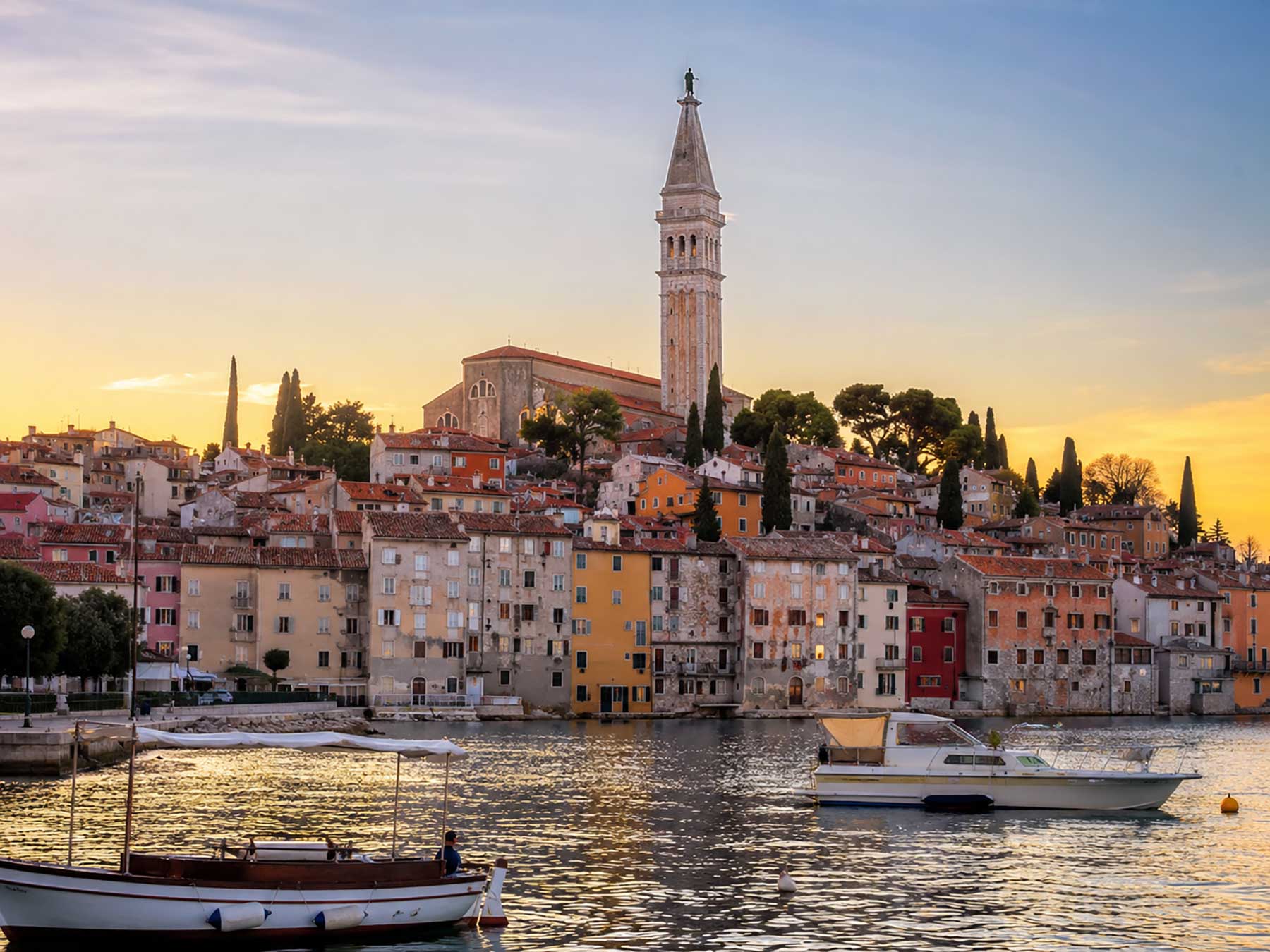
    Rovinj is one of the most beautiful coastal small towns in Europe. Located on Croatia’s Istrian coast, it rises from the Adriatic in a maze of narrow streets, colourful houses, stone lanes and waterfront restaurants.

    The old town is compact but full of atmosphere. Laundry hangs above lanes, galleries hide in stone streets, and the Church of St. Euphemia stands above the town as its most recognisable landmark. Rovinj is romantic, photogenic and ideal for combining coastal relaxation with food and culture.

    For more destination information, visit the official Rovinj Tourist Board.

    Best for: sunsets, seafood, Adriatic views, romantic travel.

    Most Beautiful Mountain Small Towns in Europe

    Mountain towns are perfect for travellers who want fresh air, dramatic views and traditional architecture. They often feel completely different from Europe’s famous urban destinations, offering a slower and more seasonal rhythm.

    Seyðisfjörður, Iceland — A Fjord Town Full of Colour

    Seyðisfjörður is one of Iceland’s most atmospheric small towns, tucked at the end of a narrow fjord in East Iceland. Surrounded by mountains and waterfalls, it is famous for colourful wooden houses, a creative local scene and the much-photographed rainbow street leading toward the blue church.

    The road into Seyðisfjörður is part of the experience. The scenery is dramatic, the setting is cinematic, and the town feels calm enough to make you slow down. It is ideal for travellers exploring Iceland’s Ring Road who want a destination with character rather than just a quick stop.

    The Seyðisfjörður Information Office is a helpful official resource for local information, maps and travel guidance.

    Best for: fjords, photography, colourful houses, creative travel.

    Metsovo, Greece — Mountain Greece Beyond the Islands

    Greece is often associated with islands, beaches and whitewashed villages, but Metsovo offers a different kind of beauty. Located in Epirus, in the Pindus Mountains, it is a traditional mountain town with stone houses, wooden balconies, local cheese, wine, forests and alpine scenery.

    Metsovo is one of the most beautiful small towns in Europe for travellers who want to discover the inland character of Greece. It feels cosy in winter, fresh in summer and deeply connected to local traditions. You can walk through the town, visit local museums, try regional food and use it as a base for mountain routes.

    For more official destination details, see the Visit Greece guide to Metsovo.

    Best for: mountain views, food, culture, winter atmosphere.

    Historic Small Towns in Europe with Artistic Character

    Some of Europe’s most beautiful small towns are shaped by history, architecture and art. These places are ideal for travellers who enjoy old town squares, galleries, local craft, river views and relaxed cultural weekends.

    Kazimierz Dolny, Poland — Art, History and the Vistula River

    Kazimierz Dolny is one of Poland’s most beautiful small towns, set by the Vistula River and surrounded by soft hills, ravines and viewpoints. It has long attracted artists, writers and weekend travellers looking for charm without the scale of a major city.

    The heart of the town is its historic market square, framed by old townhouses and overlooked by castle ruins and the Hill of Three Crosses. Nearby, you can walk through loess ravines, explore river landscapes or enjoy cafés and galleries in a relaxed atmosphere.

    Kazimierz Dolny is a strong choice for travellers searching for historic towns in Europe or a cultural weekend in Central Europe.

    Best for: art, history, river views, weekend escapes.

    Szentendre, Hungary — Baroque Beauty Near Budapest

    Szentendre is an easy and rewarding small-town escape from Budapest. Located near the Danube, it is known for cobbled lanes, colourful houses, Baroque architecture, galleries, churches and a relaxed riverside atmosphere.

    What makes Szentendre special is its creative energy. The town has a strong artistic identity, with museums, craft shops, courtyards and hidden streets that invite slow wandering. It works beautifully as a day trip, but staying longer lets you enjoy the quieter morning and evening hours.

    Szentendre is one of the most beautiful small towns in Europe for travellers who want history and culture without leaving a capital-region itinerary.

    Best for: art, cobbled streets, Danube views, day trips.

    Small Towns in Europe for Wine, Architecture and Old-World Charm

    Some small towns are best experienced through taste, texture and atmosphere. Wine cellars, stone streets, historic façades and local traditions can turn a simple overnight stay into one of the most memorable parts of a European journey.

    Most-Beautiful-Small-Towns-in-Europe

    Melnik, Bulgaria — Wine, Sandstone and Old-World Charm

    Melnik may be small, but it has a character that feels much larger than its size. Set in southwestern Bulgaria near the Pirin Mountains, it is known for wine culture, National Revival architecture and the striking Melnik Sand Pyramids rising around the town.

    The beauty of Melnik comes from contrast. Traditional houses sit below pale sandstone formations, wine cellars are carved into the hills, and the surrounding landscape feels almost surreal. It is a place for slow walking, tasting local wine, visiting historic houses and exploring the nearby Rozhen Monastery.

    Melnik is one of the most distinctive small towns in Europe because it combines architecture, geology and flavour in one compact destination.

    Best for: wine, unusual landscapes, history, slow weekends.

    Český Krumlov, Czech Republic — A Fairytale on the River

    Český Krumlov is one of the most beautiful small towns in Europe and one of Central Europe’s most famous historic gems. Its old town curves around the Vltava River, with colourful buildings, narrow lanes, bridges and a castle complex rising above the rooftops.

    Although it is well known, it still deserves a place on this list because its townscape is extraordinary. The historic centre feels complete, layered and cinematic. The best way to experience it is to stay overnight, when day visitors leave and the riverfront becomes quieter.

    The historic centre is listed by UNESCO as the Historic Centre of Český Krumlov, which makes it a strong cultural stop on a Central European route.

    Best for: medieval atmosphere, castle views, riverside walks.

    Classic Lakeside Beauty in Europe

    Lakeside towns often combine architecture and landscape in a very direct way. Reflections, mountain views and old waterfront streets create the kind of scenery that feels timeless, especially outside the busiest travel hours.

    Hallstatt, Austria — Alpine Beauty with a Responsible Travel Note

    Hallstatt is one of Europe’s most recognisable small towns, set between Lake Hallstatt and steep alpine mountains. Its lakeside houses, mountain backdrop and historic atmosphere make it undeniably beautiful.

    However, Hallstatt is also a reminder that famous small towns need careful, respectful tourism. Visit early, stay overnight if possible, support local businesses and avoid treating residential streets as a photo set. A boat ride, lakeside walk or nearby alpine viewpoint can help you experience the landscape beyond the busiest photo spots.

    Hallstatt belongs on a list of the most beautiful small towns in Europe, but it is best enjoyed slowly and responsibly.

    Best for: alpine views, lakeside scenery, photography.

    How to Choose the Most Beautiful Small Towns in Europe for Your Trip

    The right small town depends on the kind of journey you want. Choose Kinsale or Rovinj for colourful coastal atmosphere. Pick Kazimierz Dolny or Český Krumlov for history and walkable old streets. Go to Szentendre for an easy cultural escape from a major city.

    Choose Seyðisfjörður for wild landscapes, Metsovo for mountain Greece, Melnik for wine and sandstone scenery, and Hallstatt for classic alpine beauty. Each of these places can work as a weekend escape, a road trip stop or a quieter alternative to Europe’s biggest destinations.

    Final Thoughts on the Most Beautiful Small Towns in Europe

    Most Beautiful Small Towns in Europe

    The most beautiful small towns in Europe are not only destinations. They are moods. They are morning light on a harbour, footsteps on old stones, the smell of local food, a quiet river, a mountain road, a small square and a view you did not expect.

    For travellers planning a deeper European journey, these towns offer something that big cities often cannot: intimacy. They help you feel the character of a region in a direct and memorable way.

    Whether you start with Ireland, Poland, Hungary, Iceland, Greece, Bulgaria, Croatia or another European country, the best small towns are worth building your route around — not just adding as quick stops.

  • Hidden Gems in Europe You Need to See

    Hidden Gems in Europe You Need to See

    Europe is full of famous places everyone dreams about: Paris, Rome, Barcelona, Amsterdam, Venice, Santorini. They are beautiful for a reason, but the real magic of travelling often begins when you step away from the obvious route. The best hidden gems in Europe are not always completely unknown. Some are small towns, quiet islands, mountain villages or wine valleys that locals love, but many travellers still miss while rushing between the biggest attractions.

    This guide to Hidden Gems in Europe You Need to See is for travellers who want something more personal: slower mornings, authentic food, historic streets, dramatic landscapes, local stories and places that still feel connected to everyday life. These underrated European destinations are perfect for people searching for unique places to stay in Europe, Europe travel inspiration or a more meaningful route through European destinations.

    Below you will find hidden places in Europe that offer culture, nature, architecture, food, photography and atmosphere — without feeling like a copy of every other travel list.

    Hidden Gems in Europe You Need to See Beyond the Famous Cities

    The most rewarding trips are often built around contrast. You can still visit a major capital, but add two or three quieter places around it. Spend a few days in Naples, then take the ferry to Procida. Visit Ljubljana, then continue to the Vipava Valley. Explore Madrid or Valencia, then travel inland to Albarracín. These smaller stops can completely change the feeling of your journey.

    Hidden gems in Europe are not only about avoiding crowds. They are about discovering the local character of a region: the food people actually eat, the landscapes that shaped the architecture, the traditions that survived because nobody rushed to turn them into a mass-tourism product.

    For more route ideas, you can also connect this article with Best Places to Visit in Europe This Year and Best Weekend Getaways Across Europe.

    Best Hidden Gems in Europe for Culture, Nature and Slow Travel

    Gjirokastër, Albania — A Stone City Full of History

    Gjirokastër is one of the most atmospheric hidden gems in Europe for travellers who love architecture, history and mountain views. Often called the “stone city”, it rises on a hillside in southern Albania, with steep cobbled streets, Ottoman-era houses, stone roofs and a castle watching over the valley.

    This is not a polished museum town. Gjirokastër feels lived-in, textured and layered. You can walk through the old bazaar, visit traditional houses, enjoy Albanian coffee, and look across the Drino Valley as the light changes over the mountains. It is a great destination for travellers interested in heritage, local food and photography.

    Gjirokastër works especially well as part of a wider Albania itinerary, combined with Berat, the Albanian Riviera or the Blue Eye spring. For TuSpot readers searching for historic towns in Europe, this is a place that deserves serious attention.

    Best for: history, culture, photography, mountain views
    When to go: spring, early summer or September
    Travel tip: Stay overnight instead of visiting only for a few hours. The town is most beautiful in the morning and evening.

    Procida, Italy — A Colourful Island Near Naples

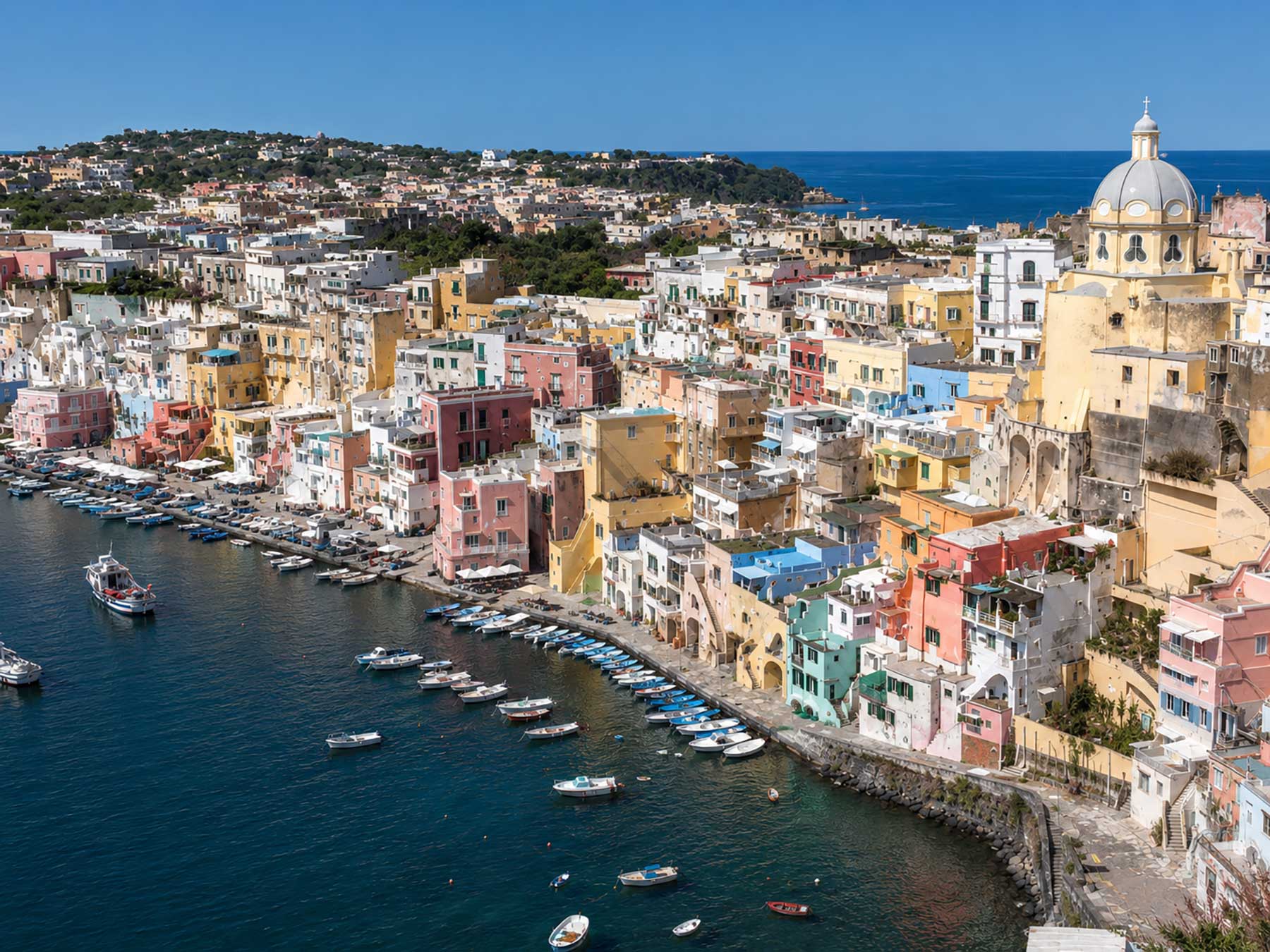
    Procida is a small island in the Gulf of Naples, often overshadowed by Capri and Ischia. That is exactly why it feels special. It has pastel-coloured houses, small fishing harbours, sea views, narrow lanes and a slower rhythm that makes it ideal for a short escape from the city.

    The most iconic view is Marina Corricella, where colourful houses rise above the harbour like a painted theatre set. Unlike more glamorous Italian islands, Procida feels simple, warm and authentic. It is perfect for travellers who want seafood, quiet corners, local beaches and Mediterranean charm without the luxury-show atmosphere.

    Procida is one of the best hidden gems in Europe for a romantic short break, a photography-focused trip or a relaxed day journey from Naples. It also fits beautifully into an article cluster around romantic places in Europe for couples or top beach destinations in Europe.

    Best for: slow travel, island atmosphere, seafood, photography
    When to go: May, June, September or October
    Travel tip: Avoid treating Procida as a checklist. Walk slowly, sit by the harbour and let the island reveal itself.

    Vipava Valley, Slovenia — Wine, Wind and Quiet Beauty

    Slovenia is no longer a secret, but many travellers still focus on Ljubljana, Lake Bled and the Julian Alps. The Vipava Valley is different: softer, warmer, more rural and deeply connected to wine, food and local hospitality.

    This underrated European destination lies between alpine and Mediterranean influences. You will find vineyards, stone villages, cycling routes, hiking trails, local farms and excellent wine cellars. It is the kind of place where travel feels calm and generous. Instead of chasing big landmarks, you enjoy landscapes, meals, conversations and slow afternoons.

    Vipava Valley is one of the best hidden gems in Europe for food and wine lovers. It is also a great alternative for travellers who want Slovenia without following the same route as everyone else. If TuSpot builds destination guides around best foodie destinations in Europe or best nature escapes in Europe, Vipava should be included.

    Best for: wine, gastronomy, cycling, countryside stays
    When to go: late spring, summer or harvest season
    Travel tip: Book a local tasting or farm stay to understand the valley properly.

    Zagori, Greece — Stone Villages and the Vikos Gorge

    When people think of Greece, they often imagine islands, blue domes and beaches. Zagori offers a completely different side of the country. Located in Epirus, northwestern Greece, this mountain region is known for stone villages, arched bridges, forests, rivers and the dramatic Vikos Gorge.

    Zagori is one of the most impressive hidden gems in Europe for hikers and nature lovers. Villages such as Papingo, Monodendri and Kipi feel timeless, with traditional stone houses and mountain views. The bridges, many built centuries ago, connect old walking routes that once linked the villages before modern roads arrived.

    The Vikos Gorge is the natural highlight, but the whole region deserves time. You can hike, explore viewpoints, try local pies and cheeses, or simply stay in a guesthouse and enjoy the silence. Zagori is ideal for travellers looking for best hiking destinations in Europe and authentic mountain escapes.

    Best for: hiking, mountain villages, nature, traditional guesthouses
    When to go: May to October
    Travel tip: Rent a car if possible. Public transport is limited and the best viewpoints are easier to reach with flexibility.

    Albarracín, Spain — A Medieval Town in Rose-Coloured Stone

    Spain has many famous cities, but Albarracín feels like a discovery from another century. Located in Aragón, this small medieval town is built on a rocky slope, surrounded by defensive walls and shaped by narrow streets, warm-toned buildings and dramatic landscape.

    Albarracín is one of the most beautiful hidden gems in Europe for travellers who enjoy small historic towns. It has a strong sense of place: part fortress, part village, part open-air film set. The colours of the buildings change with the sun, from soft pink to deep terracotta, making it wonderful for photography.

    Unlike Spain’s busiest destinations, Albarracín asks you to slow down. Walk the walls, explore the old quarter, stop for a long lunch, then stay until evening when day visitors leave. It is a strong choice for TuSpot readers interested in fairytale villages in Europe or beautiful small towns in Europe.

    Best for: medieval streets, photography, history, quiet travel
    When to go: spring or autumn
    Travel tip: Combine Albarracín with Teruel for a deeper Aragón itinerary.

    Hidden-Gems-in-Europe-You-Need-to-See2

    Saaremaa, Estonia — Windmills, Castles and Island Calm

    Saaremaa is Estonia’s largest island and one of Northern Europe’s most underrated escapes. It offers a mix of forests, coastline, windmills, lighthouses, traditional villages and the charming town of Kuressaare.

    This is not an island of dramatic luxury or crowded beach clubs. Saaremaa is quiet, natural and slightly nostalgic. You can visit Kuressaare Castle, explore the Sõrve Peninsula, see the Angla windmills, discover small harbours and enjoy a slower island lifestyle. It is perfect for travellers who want fresh air, open space and a break from busy city routes.

    Saaremaa is one of the best hidden gems in Europe for families, couples and slow travellers. It also works well as part of a Baltic route including Tallinn, Riga or Helsinki. For future TuSpot content, it could connect with quiet places in Europe away from crowds and best European islands for a dream escape.

    Best for: island nature, castles, cycling, peaceful holidays
    When to go: June to September
    Travel tip: Give yourself at least two nights. Saaremaa is best when you do not rush.

    Dinant, Belgium — A Riverside Town with a Dramatic Skyline

    Dinant is one of Belgium’s most photogenic small towns, but many travellers still skip it while moving between Brussels, Bruges and Ghent. Set along the River Meuse, with cliffs rising behind the town and a citadel above it, Dinant has a skyline that feels almost theatrical.

    The town is closely connected to Adolphe Sax, the inventor of the saxophone, and you will see saxophone references around the city. But Dinant is more than a quick photo stop. You can visit the citadel, walk by the river, explore nearby caves, enjoy local beer and use the town as a base for the Ardennes.

    Dinant is one of those hidden gems in Europe that works perfectly for a weekend. It is compact, scenic and easy to combine with other Belgian or northern French destinations. Add it to routes about best weekend getaways across Europe or underrated European cities for your next trip.

    Best for: riverside views, history, weekend trips, photography
    When to go: spring to early autumn
    Travel tip: Visit viewpoints early in the day for softer light and fewer people.

    Senja, Norway — Arctic Landscapes Without the Rush

    Senja is sometimes called “Norway in miniature” because it combines dramatic mountains, fjords, fishing villages, beaches and Arctic atmosphere in one island region. While Lofoten has become famous worldwide, Senja still feels more spacious and less commercial.

    This is one of the best hidden gems in Europe for travellers who love wild landscapes. In summer, you can experience long days, hiking routes and coastal drives. In winter, Senja offers snow, northern lights possibilities and a quiet Arctic mood. It is ideal for road trips, landscape photography and stays in traditional cabins.

    Senja is not a place to rush. Weather can change quickly, distances feel larger than they look, and the beauty is often in small moments: a fishing village under low cloud, a fjord at midnight, a beach surrounded by peaks. It is a powerful addition to any list of scenic road trips in Europe or best winter escapes in Europe.

    Best for: fjords, road trips, hiking, northern lights, photography
    When to go: June to September for road trips, winter for Arctic atmosphere
    Travel tip: Build extra time into your route. In Northern Norway, weather is part of the journey.

    Saksun, Faroe Islands — A Remote Village Between Mountains and Sea

    Saksun is one of the most atmospheric places in the Faroe Islands. Surrounded by steep mountains and overlooking a tidal lagoon, it has turf-roof houses, dramatic scenery and a powerful sense of remoteness.

    It is not a destination for mass tourism. It is a place to visit respectfully, quietly and with attention to local rules. The Faroe Islands have fragile landscapes and small communities, so travellers should stay on marked routes, follow signs and avoid treating private land as a public photo studio.

    For the right visitor, Saksun is one of the most unforgettable hidden gems in Europe. It offers mood, space and scenery that feels cinematic without needing to be exaggerated. It belongs in any serious collection of best nature escapes in Europe and quiet places in Europe away from crowds.

    Best for: landscapes, photography, remote travel, nature
    When to go: May to September
    Travel tip: Check local guidance before hiking. Weather and access rules can change.

    How to Plan a Trip Around Hidden Gems in Europe

    A good hidden-gems itinerary should not be too crowded. The point is not to tick off ten places in seven days. Instead, choose one main region and add nearby smaller destinations. For example:

    Start with Naples and add Procida. Visit Ljubljana and continue to Vipava Valley. Explore Brussels and spend a weekend in Dinant. Travel through Greece beyond the islands and add Zagori. Plan a Baltic route and give Saaremaa enough time.

    When planning, think about three things: access, season and travel style. Some hidden gems in Europe are easy day trips, while others need a car, ferry or extra planning. Some are best in spring or autumn, while Nordic destinations may be strongest in summer or winter depending on what you want to experience.

    You can use TuSpot destinations to organise ideas by country and region, then browse places to stay, eat and explore to build a trip around real local experiences.

    Why These Hidden Gems in Europe Are Worth Seeing

    Hidden Gems in Europe You Need to See

    The best hidden gems in Europe are not hidden because they are less beautiful. They are hidden because they sit slightly outside the fastest route. They ask for more curiosity, more patience and sometimes more effort. In return, they offer something many famous places struggle to provide: a sense of discovery.

    Gjirokastër gives you stone streets and mountain history. Procida offers colour and slow island life. Vipava Valley brings wine and countryside hospitality. Zagori shows a wild, mountainous Greece. Albarracín feels like a medieval dream. Saaremaa gives you Baltic island calm. Dinant delivers riverside drama. Senja opens the door to Arctic landscapes. Saksun reminds you how powerful quiet places can be.

    If you are planning your next trip, do not only ask where everyone is going. Ask where you will feel something. Ask where the landscape, food, architecture and people create a memory that belongs to you.

    That is the real beauty of Hidden Gems in Europe You Need to See — they help you travel deeper, slower and with more attention.

  • Best Places to Visit in Europe This Year

    Best Places to Visit in Europe This Year

    Europe never really goes out of style. Every year, millions of travellers return to its famous cities, historic streets, mountain villages, seaside towns and cultural landmarks. Yet the way people travel is changing. More visitors are looking beyond the obvious postcard destinations. They want places with atmosphere, local character, beautiful landscapes, good food, memorable stays and enough space to actually enjoy the journey.

    That is what makes the best places to visit in Europe this year so exciting. Europe is not only about Paris, Rome, Barcelona and Amsterdam, although they remain unforgettable. It is also about smaller cities, peaceful islands, hidden coastal villages, mountain escapes, creative neighbourhoods, wine regions, national parks and cultural gems that feel personal rather than predictable.

    This TuSpot Magazine guide brings together some of the best places in Europe for travellers who want inspiration, beauty and something a little different. Whether you are planning a romantic weekend, a family holiday, a road trip, a slow travel adventure or a first big European journey, these are the places to go in Europe when you want your trip to feel special.

    Why These Are the Best Places to Visit in Europe This Year

    The best European trips this year are not only about ticking famous attractions off a list. They are about choosing destinations that match the way you want to feel. Do you want calm mornings by the sea? Long dinners in old town squares? Mountain views from a quiet balcony? Art, architecture and nightlife? A destination where you can walk slowly, meet locals and discover hidden corners?

    The best places to visit in Europe this year combine three things: strong travel appeal, memorable local identity and enough variety to suit different types of travellers. Some destinations on this list are well known but deserve fresh attention. Others are rising favourites or underrated places that offer a more relaxed alternative to Europe’s busiest hotspots.

    From the Italian Dolomites to the Portuguese coast, from Spanish culture capitals to Balkan bays and Nordic cities, Europe is full of places where one trip can turn into a lifelong memory.

    1. The Dolomites, Italy: One of the Best Places in Europe for Nature

    The Dolomites are one of the most dramatic mountain regions in Europe. Sharp limestone peaks, green valleys, wooden chalets, alpine lakes and winding mountain roads create scenery that feels almost unreal. This is one of the best places to visit in Europe this year for travellers who want nature without giving up comfort.

    In summer, the Dolomites are perfect for hiking, cycling, scenic drives and photography. In winter, the region becomes a snowy playground for skiing and cosy mountain stays. But the real magic is in the slower moments: watching the sunrise turn the peaks pink, eating local mountain food after a long walk, or sitting beside a lake while clouds move across the cliffs.

    Top attractions in the Dolomites include Lago di Braies, Tre Cime di Lavaredo, Val Gardena, Seceda and Cortina d’Ampezzo. Yet the best experience often comes from choosing a smaller village, staying a few nights and exploring the region without rushing.

    For travellers searching for the best places in Europe for scenery, the Dolomites should be high on the list.

    2. Madrid, Spain: Culture, Food and Big City Energy

    Madrid is not a hidden gem, but it is one of the most rewarding city breaks in Europe. The Spanish capital has world-class museums, elegant boulevards, grand squares, beautiful parks and one of the best food scenes on the continent. It is a city that feels alive from morning until late at night.

    For art lovers, the Prado Museum, Reina Sofía and Thyssen-Bornemisza make Madrid one of the best places to visit in Europe this year for culture. For food lovers, the city offers everything from traditional tapas bars to modern restaurants and lively markets. For travellers who enjoy walking, neighbourhoods like Malasaña, Chueca, La Latina and Las Letras each have their own character.

    Madrid is also a great base for day trips. Toledo, Segovia and Ávila are close enough to visit in a day, giving travellers a deeper look at Spain’s history and architecture.

    If you are looking for places to go in Europe that combine culture, nightlife, food and easy access to historic towns, Madrid is a brilliant choice.

    3. Porto and the Douro Valley, Portugal: Wine, Views and Old-World Charm

    Porto is one of Europe’s most atmospheric cities. Its steep streets, tiled façades, river views and colourful buildings create a destination full of texture and charm. It feels historic without being frozen in time, romantic without trying too hard, and lively without losing its soul.

    The Ribeira district, Dom Luís I Bridge, São Bento Station and Livraria Lello are among the city’s best-known attractions, but Porto is also made for wandering. Some of the best memories come from quiet streets, small cafés, hidden viewpoints and long dinners near the river.

    Just beyond the city, the Douro Valley adds another layer to the journey. Terraced vineyards follow the river through golden hills, creating one of the most beautiful wine regions in Europe. A day trip is possible, but staying overnight gives you time to slow down and enjoy the landscape properly.

    For travellers looking for the best places to visit in Europe this year with wine, history and scenic beauty, Porto and the Douro Valley are hard to beat.

    4. Ljubljana and Lake Bled, Slovenia: Small, Green and Beautiful

    Slovenia is one of Europe’s most rewarding destinations for travellers who want variety in a compact space. Ljubljana, the capital, is relaxed, walkable and full of charm. It has riverside cafés, colourful architecture, local markets, a hilltop castle and a youthful creative energy.

    What makes Slovenia one of the best places in Europe this year is how quickly the scenery changes. In a short journey from Ljubljana, you can reach Lake Bled, Lake Bohinj, the Julian Alps, caves, vineyards and peaceful villages.

    Lake Bled is famous for its island church and castle views, but nearby Lake Bohinj offers a quieter and more natural alternative. Together, they make Slovenia ideal for travellers who want both culture and outdoor beauty.

    This is one of the best places to go in Europe for couples, families, road trippers and nature lovers who prefer calm beauty over crowded attractions.

    5. Cádiz, Spain: A Coastal Hidden Gem in Europe

    Cádiz is one of the oldest cities in Western Europe, but it still feels like a discovery for many travellers. Surrounded by the Atlantic Ocean, this Andalusian city offers golden beaches, narrow streets, seafood restaurants, historic towers and a relaxed coastal rhythm.

    Unlike some of Spain’s busier destinations, Cádiz feels authentic and lived-in. Locals fill the markets, plazas and tapas bars. The sea is always close. The old town is compact enough to explore on foot, and sunsets over La Caleta beach are unforgettable.

    Cádiz is one of the best hidden gems in Europe for travellers who want a Spanish city break with history, beach life and local flavour. It is also a strong choice outside the peak summer months, when the weather can still be pleasant and the atmosphere more relaxed.

    For those searching for best places to visit in Europe this year beyond the obvious, Cádiz deserves attention.

    6. Kotor, Montenegro: One of Europe’s Most Beautiful Bays

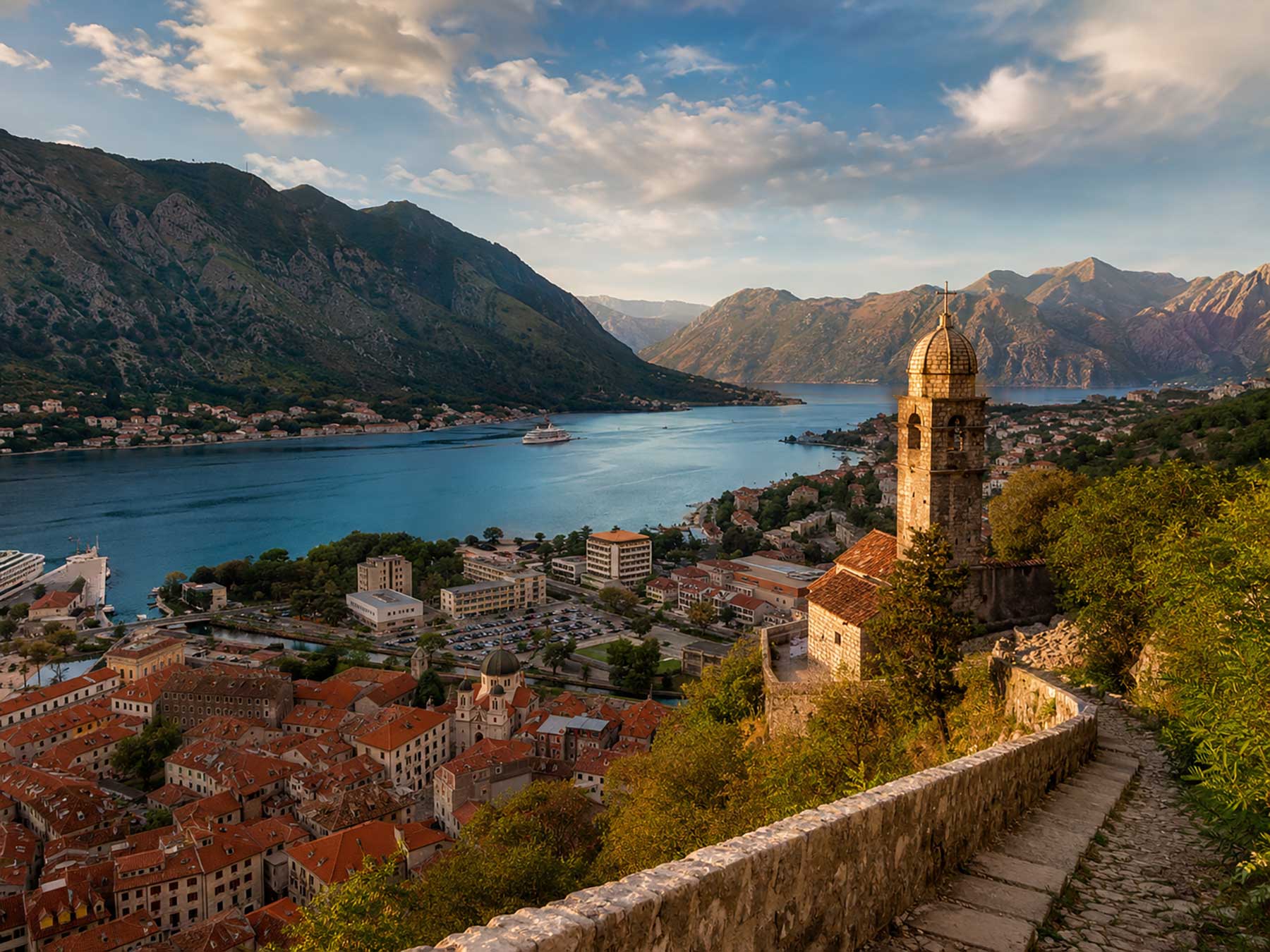
    Kotor sits between mountains and water in one of the most spectacular settings in Europe. The Bay of Kotor looks almost like a fjord, with steep hills rising above calm blue water and stone towns along the shore.

    The old town of Kotor is a maze of narrow lanes, churches, squares and old walls. Climbing to the fortress above the town is one of the top attractions in Europe for travellers who love dramatic views. From above, the bay opens out in layers of mountains, rooftops and sea.

    Montenegro is still more relaxed than many Mediterranean destinations, although it is becoming increasingly popular. That makes this year a good time to visit, especially in spring or autumn when the weather is pleasant and the crowds are lighter.

    Kotor is one of the best places in Europe for travellers who want coastal beauty, history and a slightly adventurous edge.

    7. Copenhagen, Denmark: Design, Food and Easy Living

    Copenhagen is one of the best city breaks in Europe for travellers who appreciate design, cycling, good food and a high quality of life. The Danish capital is clean, creative, stylish and easy to explore.

    Nyhavn is the classic postcard view, with colourful buildings along the harbour. But Copenhagen’s real appeal goes deeper. You can visit royal palaces, modern architecture, food markets, independent shops, waterfront swimming areas and neighbourhoods that feel relaxed but full of energy.

    The city is also one of the best places to visit in Europe this year for food lovers. From bakeries and coffee shops to Nordic restaurants and street food halls, Copenhagen makes eating part of the travel experience.

    For a slightly different trip, combine Copenhagen with nearby Malmö in Sweden or explore the Danish coast. It is a great destination for couples, solo travellers and anyone who enjoys cities that feel both beautiful and practical.

    8. Ghent, Belgium: Medieval Beauty Without the Rush

    Ghent is often overshadowed by Bruges and Brussels, but that is exactly why it feels so special. It has canals, medieval buildings, historic towers, lively squares and a strong student energy. It is beautiful, but not overly polished.

    The old centre is full of impressive attractions, including Gravensteen Castle, Saint Bavo’s Cathedral and the Graslei waterfront. Yet Ghent also feels modern, creative and local. There are great restaurants, bars, galleries, design shops and small streets that reward slow exploration.

    Ghent is one of the best hidden spots in Europe for travellers who want the charm of a historic city without feeling like they are walking through a museum. It is easy to reach by train and works well as part of a Belgium itinerary with Bruges, Antwerp and Brussels.

    For a short break, Ghent is one of the best places to go in Europe when you want atmosphere, architecture and excellent food in one compact city.

    9. The Azores, Portugal: Wild Islands in the Atlantic

    The Azores are perfect for travellers who want Europe to feel wild, green and remote. This Portuguese archipelago sits in the Atlantic Ocean and offers volcanic landscapes, crater lakes, hot springs, dramatic coastlines and lush countryside.

    São Miguel is the most popular island and a great starting point. Highlights include Sete Cidades, Lagoa do Fogo, Furnas, tea plantations and natural thermal pools. Other islands, such as Pico, Faial and Terceira, offer whale watching, hiking, vineyards, caves and peaceful towns.

    The Azores are one of the best places to visit in Europe this year for nature lovers, photographers and travellers looking for something different from a standard beach holiday. The islands are not about big resorts or fast sightseeing. They are about weather, landscapes, ocean air and a feeling of discovery.

    If your dream trip includes green cliffs, quiet roads and natural beauty, the Azores should be on your Europe travel list.

    10. Kraków, Poland: History, Culture and a Beautiful Old Town

    Kraków remains one of the most attractive city destinations in Central Europe. Its main square, historic streets, castle, churches, cafés and cultural life make it a strong choice for travellers who want beauty and depth.

    The Old Town is full of atmosphere, while Kazimierz offers a different side of the city with galleries, restaurants, bars and Jewish heritage. Wawel Castle, St. Mary’s Basilica and the Cloth Hall are among the most important attractions, but Kraków is also a city for slow walks and long conversations.

    It is also a useful base for visiting nearby places such as Wieliczka Salt Mine, Ojców National Park and the Tatra Mountains region. This makes Kraków one of the best places in Europe for travellers who want a city break with optional day trips.

    For those looking for best places to visit in Europe this year with history, architecture and good value, Kraków remains a very strong option.

    11. Puglia, Italy: White Towns, Olive Groves and Sea Views

    Puglia, in southern Italy, is one of the most distinctive regions in Europe. It has whitewashed towns, ancient olive groves, clear water, rustic farm stays and some of the best food in Italy. It feels sunny, local and deeply connected to the land.

    Popular places include Alberobello, famous for its trulli houses, Polignano a Mare with its cliffs and sea views, Ostuni known as the White City, and Lecce with its baroque architecture. The region is also full of smaller villages, quiet beaches and countryside roads that are perfect for a road trip.

    Puglia is one of the best places to go in Europe if you want Italy but prefer a slower, more regional experience than Rome, Florence or Venice. It is ideal for couples, families and food-focused travellers.

    For the best places to visit in Europe this year, Puglia offers sunshine, culture and local flavour in a way that feels both relaxed and unforgettable.

    12. Transylvania, Romania: Castles, Villages and Mountain Roads

    Transylvania is one of Europe’s most atmospheric regions. It is known for castles and legends, but its real beauty lies in its medieval towns, forested hills, fortified churches, mountain landscapes and traditional villages.

    Brașov is a great base, with colourful streets, mountain views and easy access to Bran Castle and Peleș Castle. Sibiu and Sighișoara are also beautiful historic towns that feel full of character. Beyond the towns, rural Transylvania offers a slower pace and a strong sense of place.

    This is one of the best hidden gems in Europe for travellers who enjoy history, landscapes and destinations that still feel authentic. It is also a great road trip region, especially for those who want to combine towns, castles, nature and local food.

    For a different kind of European journey, Transylvania is one of the best places to visit in Europe this year.

    13. Girona and Costa Brava, Spain: Colour, Coast and Catalan Charm

    Girona is one of Spain’s most underrated small cities. It has colourful riverside houses, medieval walls, narrow lanes, excellent restaurants and a beautifully preserved old quarter. It is close to Barcelona but offers a quieter and more intimate experience.

    The city also works perfectly with the Costa Brava. Travellers can combine historic streets with coastal villages, beaches, coves and scenic walking routes. Places such as Cadaqués, Begur, Tossa de Mar and Calella de Palafrugell show the region at its best.

    Girona and Costa Brava are among the best places in Europe for travellers who want a mix of culture and coastline. You can spend mornings exploring old streets, afternoons by the sea and evenings eating Catalan food in a local restaurant.

    For a European trip that feels colourful, warm and varied, this region is an excellent choice.

    14. Bergen and the Norwegian Fjords: Europe at Its Most Dramatic

    Bergen is the gateway to some of Norway’s most spectacular landscapes. The city itself is charming, with colourful wooden buildings, a historic harbour, mountain viewpoints and a relaxed coastal atmosphere. But the real reason to visit is the surrounding fjords.

    Norway’s fjords are among the top natural attractions in Europe. Deep blue water, high cliffs, waterfalls and small villages create landscapes that feel cinematic. Cruises, train journeys, hikes and scenic drives all offer different ways to experience the region.

    Bergen and the fjords are one of the best places to visit in Europe this year for travellers who want nature on a grand scale. It is not the cheapest destination, but it offers a level of beauty that is hard to forget.

    For photographers, hikers and slow travellers, this part of Norway is one of Europe’s great journeys.

    15. Tallinn, Estonia: Fairytale Streets and Digital Energy

    Tallinn combines medieval charm with modern creativity. Its old town looks like something from a storybook, with towers, walls, cobbled streets and colourful buildings. At the same time, the city has a young, digital and design-focused energy.

    This contrast makes Tallinn one of the best places in Europe for travellers who want history and modern culture in one destination. You can spend the morning exploring the old town, the afternoon in creative districts such as Telliskivi, and the evening enjoying local restaurants or cosy bars.

    Tallinn is also a good choice for travellers looking for a slightly different European city break. It is compact, walkable and atmospheric, especially outside the busiest summer weeks.

    For best places to visit in Europe this year, Tallinn offers beauty, culture and a northern European mood that feels fresh and memorable.

    Tuspot-Visit-Europe

    How to Choose the Best Places to Go in Europe This Year

    The best destination depends on your travel style. If you want mountains, choose the Dolomites, Slovenia or Norway. If you want food and wine, Porto, Puglia and Madrid are excellent. If you want hidden gems, look at Cádiz, Ghent, Kotor, Transylvania or Girona. If you want islands and nature, the Azores are a fantastic choice.

    For a first European trip, combine one major city with one smaller destination. For example, Madrid and Cádiz, Copenhagen and Malmö, Porto and the Douro Valley, or Ljubljana and Lake Bled. This gives you variety without making the itinerary too rushed.

    For a slower holiday, stay longer in fewer places. Europe is full of beautiful details, but they are easy to miss when every day is packed with transfers. The best memories often happen between the attractions: in a quiet café, on a small street, during a local meal or on a walk with no exact plan.

    Best Time to Visit Europe This Year

    Spring and autumn are often the best seasons to visit Europe. The weather is usually pleasant, prices can be better than in peak summer, and many destinations feel more relaxed. April, May, September and October are especially good months for city breaks, road trips and coastal regions.

    Summer is ideal for islands, beaches, lakes and mountain escapes, but popular destinations can be crowded. If you travel in July or August, consider smaller towns, lesser-known regions or early-morning sightseeing.

    Winter is perfect for Christmas markets, snowy mountains, cultural city breaks and cosy food-focused trips. Cities such as Tallinn, Kraków, Copenhagen and Vienna feel especially atmospheric in colder months, while places like Cádiz or southern Italy can offer a milder escape.

    Final Thoughts: The Best Places to Visit in Europe This Year

    The best places to visit in Europe this year are not only the most famous places. They are the places that give travellers a reason to stay longer, look closer and feel connected to the destination.

    Europe is full of icons, but it is also full of quiet magic: a mountain village at sunrise, a seaside town after the day visitors leave, a small restaurant with handwritten menus, a local market, a hidden viewpoint, a ferry crossing, a forest path, a castle road or a street musician playing in an old square.

    Best Places to Visit in Europe This Year

    This year, choose Europe with curiosity. Visit the famous places if they inspire you, but leave space for the unexpected. The best trip may not be the one with the longest checklist. It may be the one where you discover a place that feels like it was waiting for you.

    Whether you are drawn to the Dolomites, Madrid, Porto, Slovenia, Cádiz, Kotor, Copenhagen, Ghent, the Azores, Kraków, Puglia, Transylvania, Girona, Norway or Tallinn, one thing is certain: Europe still has countless stories to tell.

    And this year is a perfect time to start listening.

    Best Places to Visit in Europe This Year