

Wawel Castle, KrakówHistoric castle★ 4.8
 🇵🇱 Poland
Poland is one of Europe’s most flexible travel destinations: historic cities, Baltic beaches, lake districts, forests, mountain trails, spa hotels, family stays and local food experiences all fit into one itinerary.


Extensive PKP Intercity and regional rail routes connect major cities, coastal towns and many scenic regions.
Well-maintained main roads make rural routes flexible and rewarding, especially around lakes, castles and countryside stays.
Long-distance coaches and local buses help reach smaller towns, mountain areas and places beyond rail lines.
Domestic and European flights connect Warsaw, Kraków, Gdańsk, Wrocław, Katowice, Poznań and other hubs.
Best time to visitMay – September for city, coast and lakes; December – March for mountains and winter breaks
Time zoneCET (UTC+1), CEST (UTC+2) in summer
Plug typeType C and E, 230V
Emergency112
Driving sideRight
CurrencyPolish złoty (PLN)
Country styleCity breaks, coast, lakes, forests, spa stays and mountains in one route
Local foodPierogi, soups, smoked cheese, fish, honey, bakeries and modern restaurants
Classic routeWarsaw, Kraków, Wrocław, Gdańsk, Masuria and the Tatra Mountains
Travel paceEasy weekends in one city or 10–14 days for a fuller country route
Within one country you can build a trip around the Baltic coast, ancient forests, lake districts, historic cities, spa hotels and the Tatra Mountains.
KrakówHistoric charm
 WarsawModern capital
GdańskBaltic coast
WarsawModern capital
GdańskBaltic coast
 ZakopaneTatra Mountains
View all destinations →
ZakopaneTatra Mountains
View all destinations →
 17+UNESCO World Heritage Sites
 Over 30%covered by forests
 Pieroginational comfort food
 Wawel Castlelegendary dragon
 Malbork Castleworld’s largest brick castle
 Warm welcomesfamily-run stays and local hospitality
Poland works for many different travel styles because it has a rare mix of compact city breaks, big natural regions and good-value stays. A traveller can land in Warsaw for museums and modern food, continue by train to Kraków for medieval streets and Jewish heritage, turn north to Gdańsk for the Baltic coast, or travel south to Zakopane for mountain air. The country is large enough to feel varied, but connected enough to plan a route without overcomplicating the journey.
For TuSpot users, Poland is especially interesting because the best trip is often not limited to one famous city. Small towns, spa hotels, lakeside guesthouses, family-run B&Bs, regional restaurants, castles, beaches, forests and local experiences can all become part of one travel plan. This makes Poland a strong country page for travellers who want inspiration before choosing a specific place to stay.
Warsaw, Kraków, Gdańsk, Wrocław and Poznań each offer a different version of Poland. Warsaw is the best starting point for a broad first visit: it has international flights, museums, business hotels, restaurants, nightlife and a rebuilt Old Town that tells an important story about resilience. Kraków feels more traditional and compact, with Wawel Castle, the Main Market Square, Kazimierz and easy day trips to Wieliczka or Ojców National Park.
Gdańsk adds a Baltic identity: port history, amber streets, waterfront walks, beaches and ferry connections. Wrocław is known for islands, bridges, colourful architecture and a relaxed city-break atmosphere. Poznań is a practical western hub with trade-fair infrastructure, food traditions and good rail connections. Together, these cities create a strong backbone for first-time visitors and repeat travellers who want to go deeper than one capital.
Poland’s natural variety is one of its biggest strengths. The Baltic coast offers sandy beaches, seaside promenades, dunes, ports and summer resort towns. The Masurian Lake District is a classic slow-travel region for sailing, kayaking, cottages, spa hotels and family holidays. Forest regions such as Białowieża, Bory Tucholskie and the Puszcza Piska area give travellers a quieter, greener version of the country.
In the south, the Tatra Mountains and Zakopane are the best-known mountain destinations, but the Beskids, Karkonosze and Bieszczady also offer hiking, winter breaks, scenic drives and peaceful villages. This diversity means a Poland trip can feel coastal, rural, urban, forested, lake-side or mountain-ready depending on the season and the chosen route.
Polish travel is strongly connected to food. Classic pierogi, soups, smoked cheeses, sourdough bread, freshwater fish, forest mushrooms, regional meats, cakes and local honey all tell a story about place. In cities, travellers will find modern restaurants, wine bars, craft beer pubs, breakfast spots and coffee culture. In rural regions, food is often more direct: guesthouses, farm shops, local producers and seasonal menus.
This is where TuSpot can add value beyond a normal accommodation directory. A visitor looking for a stay can also discover nearby restaurants, attractions, producers, cafés, wine bars, craft beer places and local experiences. For owners, that creates a better context around the place. For guests, it turns a simple listing into a practical trip plan.
Poland is practical to navigate. International airports serve Warsaw, Kraków, Gdańsk, Wrocław, Katowice, Poznań and several regional cities. Rail is a strong option between major destinations, especially for city-to-city trips. Coaches fill many gaps, while car rental is useful for lake districts, rural stays, national parks, castles and smaller towns.
When planning a route, travellers should think about distance and season. A long weekend works well for one city and one nearby day trip. A one-week itinerary can combine two cities or a city plus nature region. Two weeks allow a deeper route such as Warsaw, Kraków, Wrocław and Gdańsk, or a slower mix of the Baltic coast, Masuria and a forest or spa stay.
Late spring and summer are the easiest seasons for first-time visitors. May, June and September are often comfortable for cities, walking, lakes and sightseeing. July and August suit the Baltic coast, outdoor terraces, family holidays and festivals, although popular destinations are busier. Autumn is excellent for food, forests, castles, wine regions and slower weekend breaks.
Winter changes the mood completely. Christmas markets, spa hotels, fireplaces, mountain stays and snow trips make Poland attractive for travellers who prefer cosy breaks. Zakopane and other southern mountain destinations become more popular, while cities are good for museums, restaurants and short cultural trips. This year-round potential is why country pages should connect travel inspiration with real listings and seasonal filters.
Choose a category here, then pick a subcategory or open all places already filtered by this country.
The map is centred on Poland and cards below show real profiles from this country.
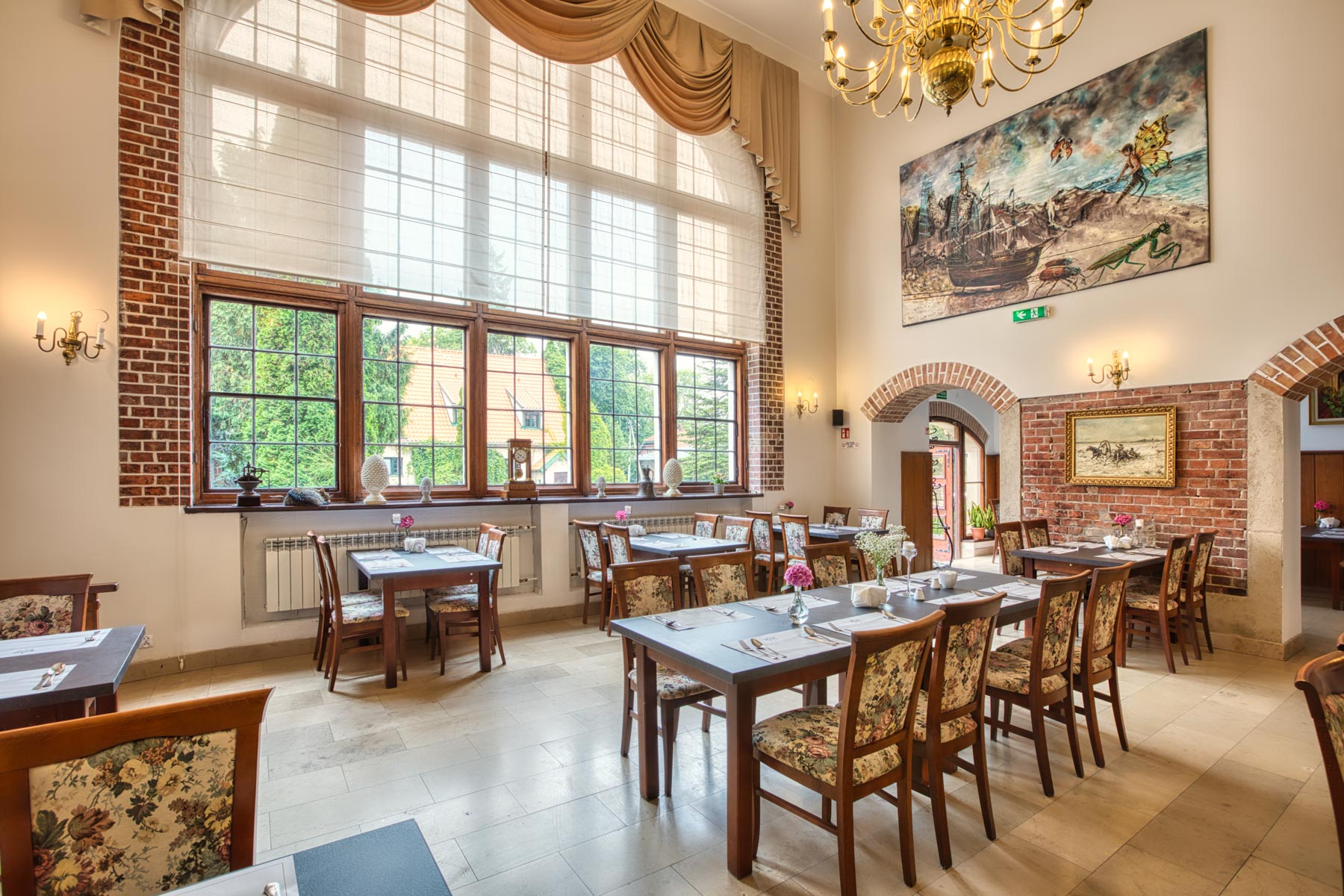
 Garden seating
 Grill & BBQ
 Cocktail barLocal RestaurantsBest in Year-round
18, 82-340 Tolkmicko, Warmia-Masuria, Poland
Located in the heart of the historic Kadyny Manor Farm, the Stara Distillery Restaurant is a place where flavor meets extraordinary history.…
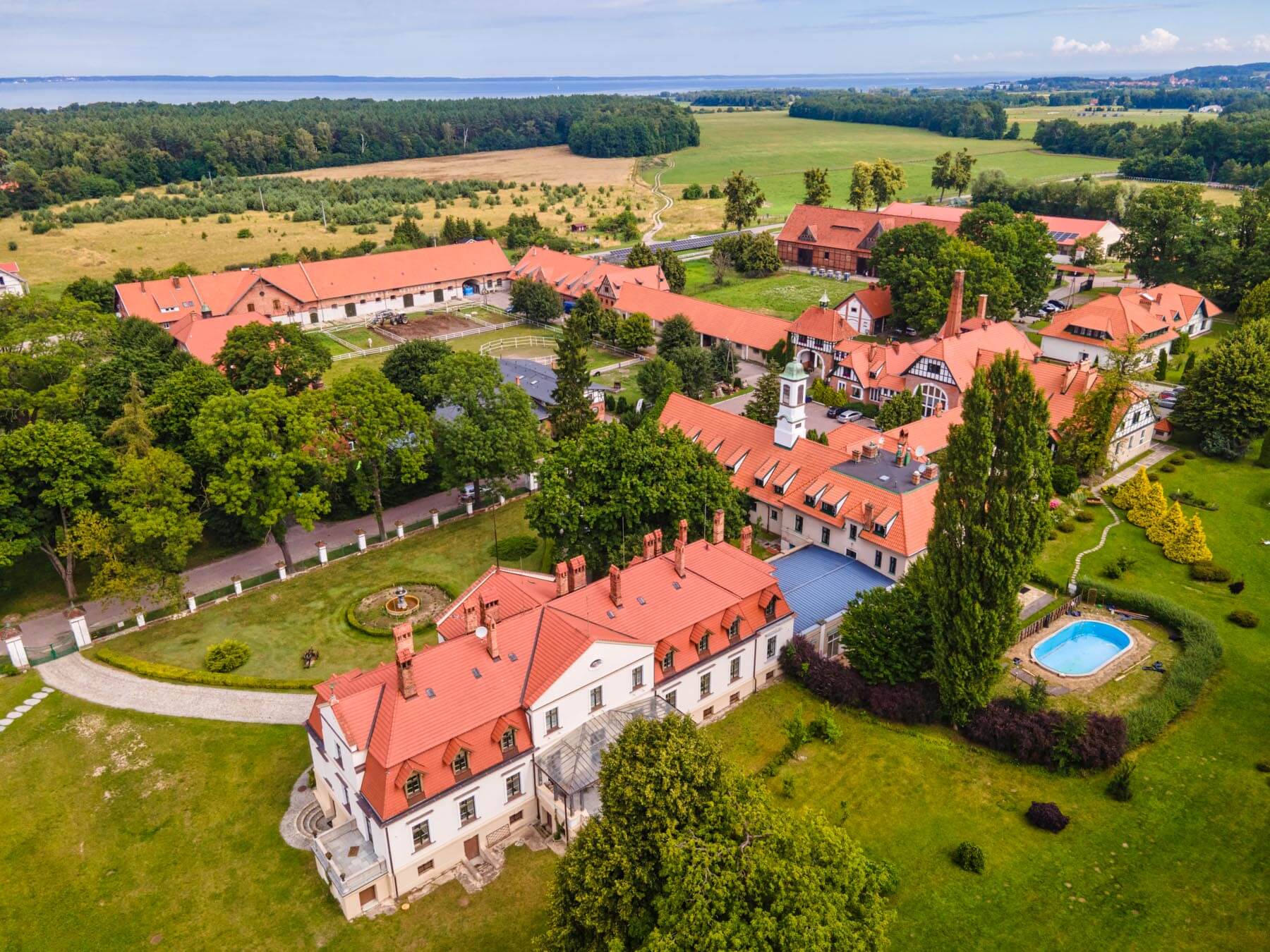
 Fields
 ForestHotelBest in Year-round
18, 82-340 Kadyny, Warmia-Masuria, Poland
Between the rich forests of the Elbląg Upland and the charming beaches of the Vistula Lagoon, taking the new road from Elbląg…
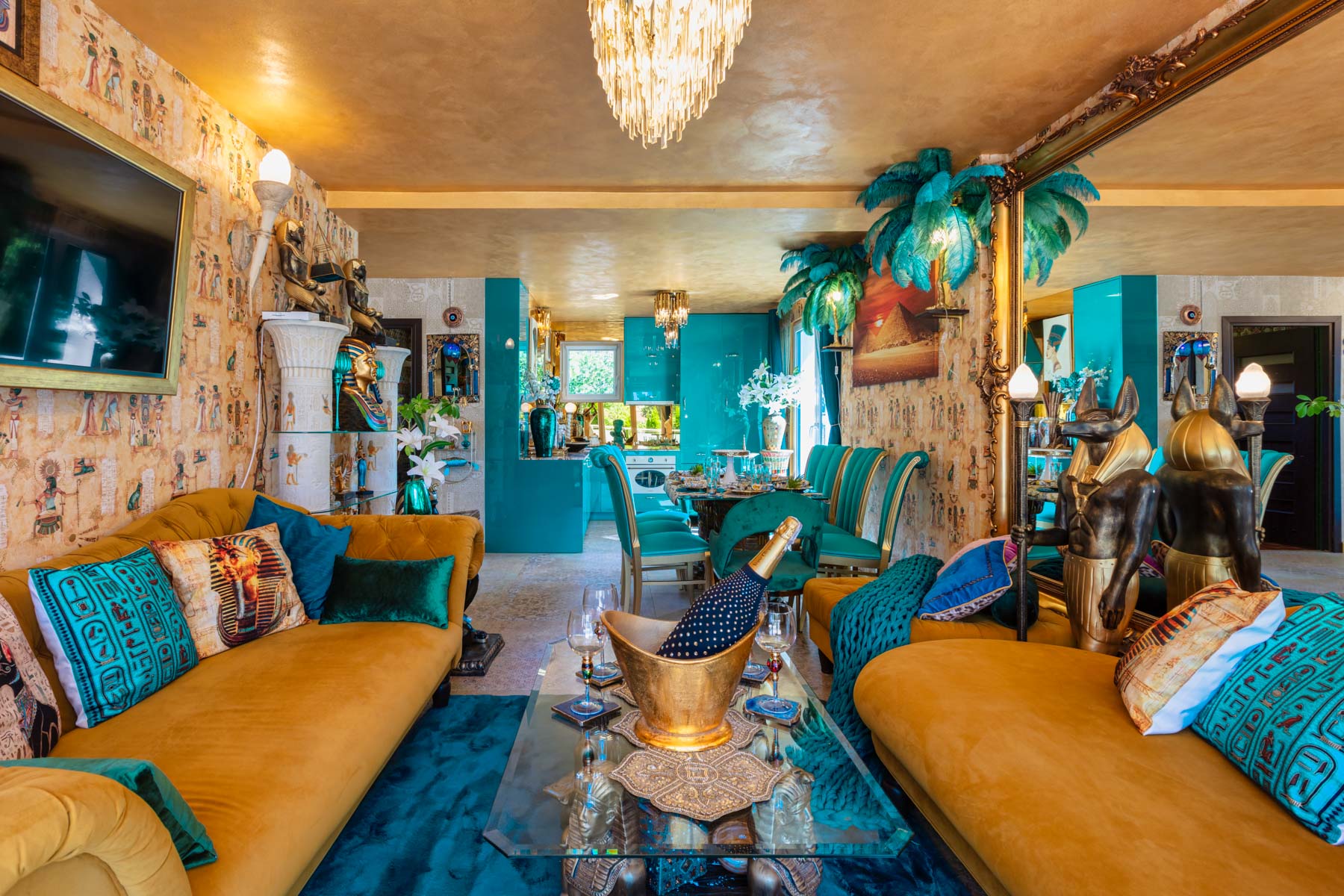
 Sea
Sea LakeForestVillasBest in Year-round
Leonida Teligi 3, 80-299 Gdańsk, Poland
Welcome to Princess Palace, a luxurious villa for rent in a unique style that will give you the feeling of traveling around…
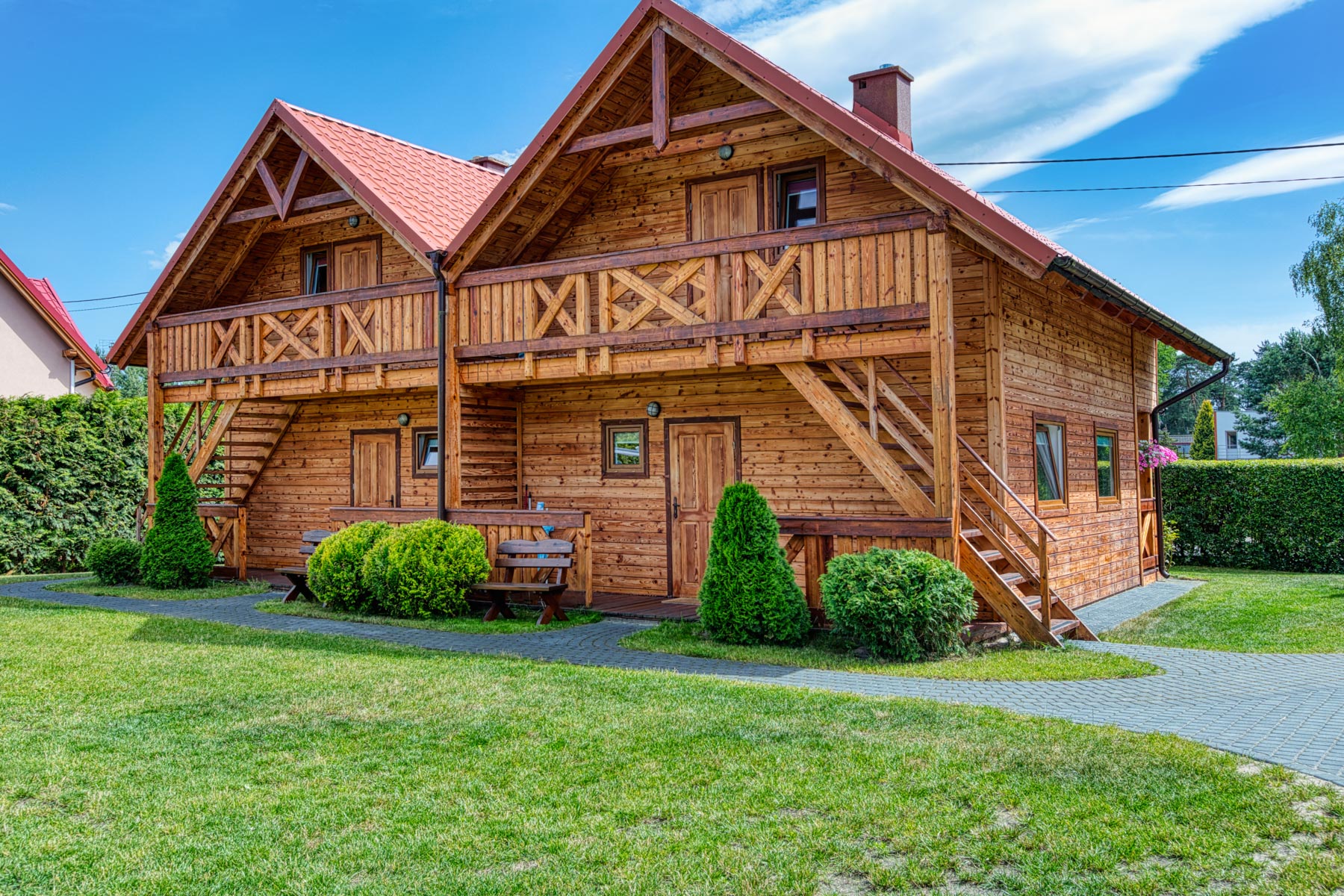
Rybacka, 82-107 Jantar, Poland
The Daria Cottages and Villa are a perfect place for those seeking a peaceful seaside getaway. Our property is located in a…
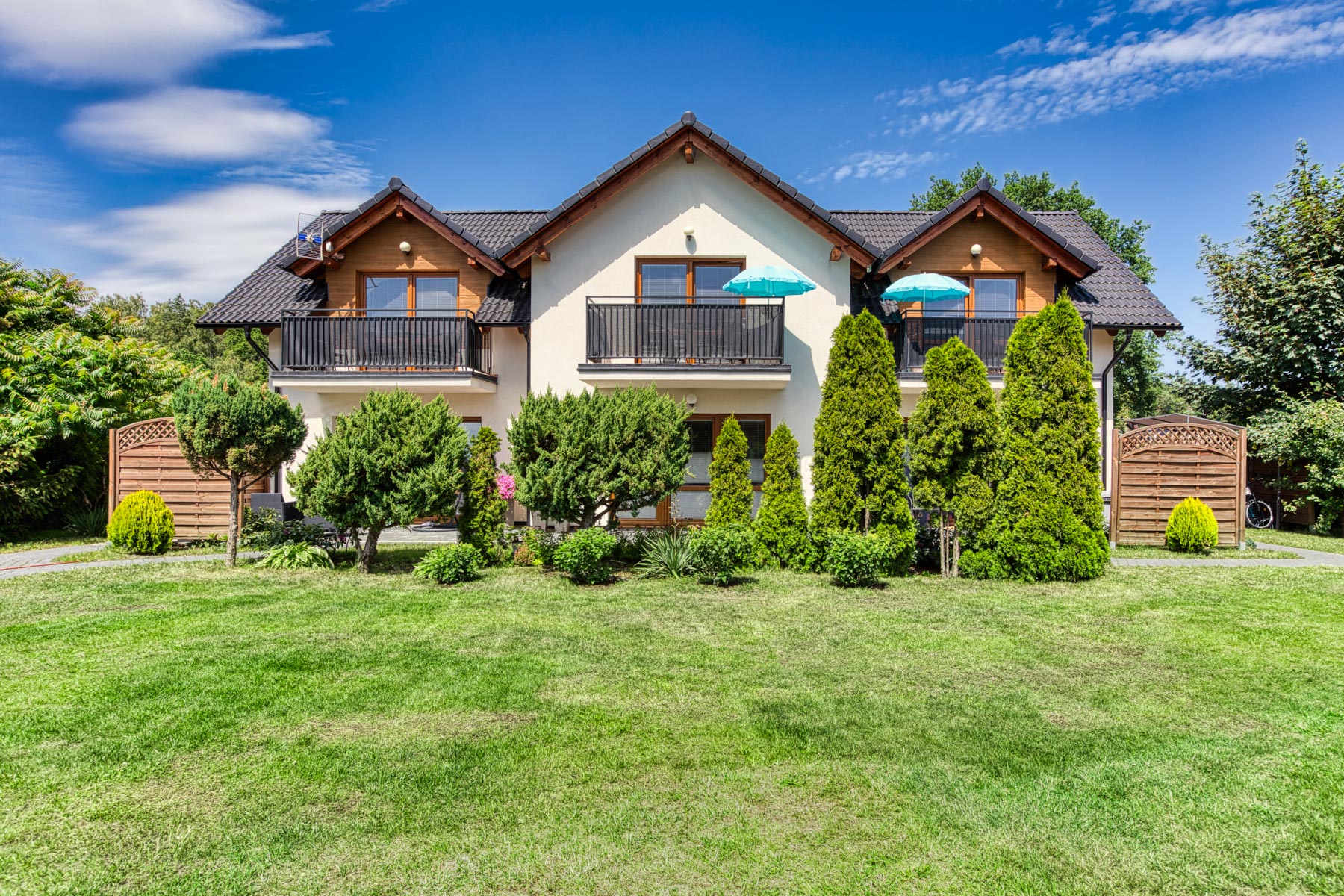
Rybacka, 82-107 Jantar, Poland
The Daria Cottages and Villa are a perfect place for those seeking a peaceful seaside getaway. Our property is located in a…
Yes. Poland combines easy airport access, good rail links, varied cities, nature regions and strong value, so it works well for a first independent trip.
A long weekend is enough for one city. Seven days can combine two destinations. Ten to fourteen days gives time for cities plus the Baltic coast, Masuria or the mountains.
Train is excellent for major cities. A car is useful for villages, lake districts, national parks, rural accommodation and flexible countryside routes.
Kraków, Warsaw, Gdańsk, Wrocław and Poznań are the strongest first choices, each with a different atmosphere and travel rhythm.
Yes. Look at Masuria, the Baltic coast, Białowieża, the Tatra Mountains, Bieszczady, the Beskids and forest regions for slower nature-focused stays.
TuSpot uses essential cookies and basic preferences to keep the platform clear, secure and easy to use. You can accept and continue, or read the privacy information first.
Send a short message to the TuSpot team. We will use your email only to reply to this request.